When You Realize the UAE Is Powered By Hidden Systems
Most people see the UAE from the surface level first.
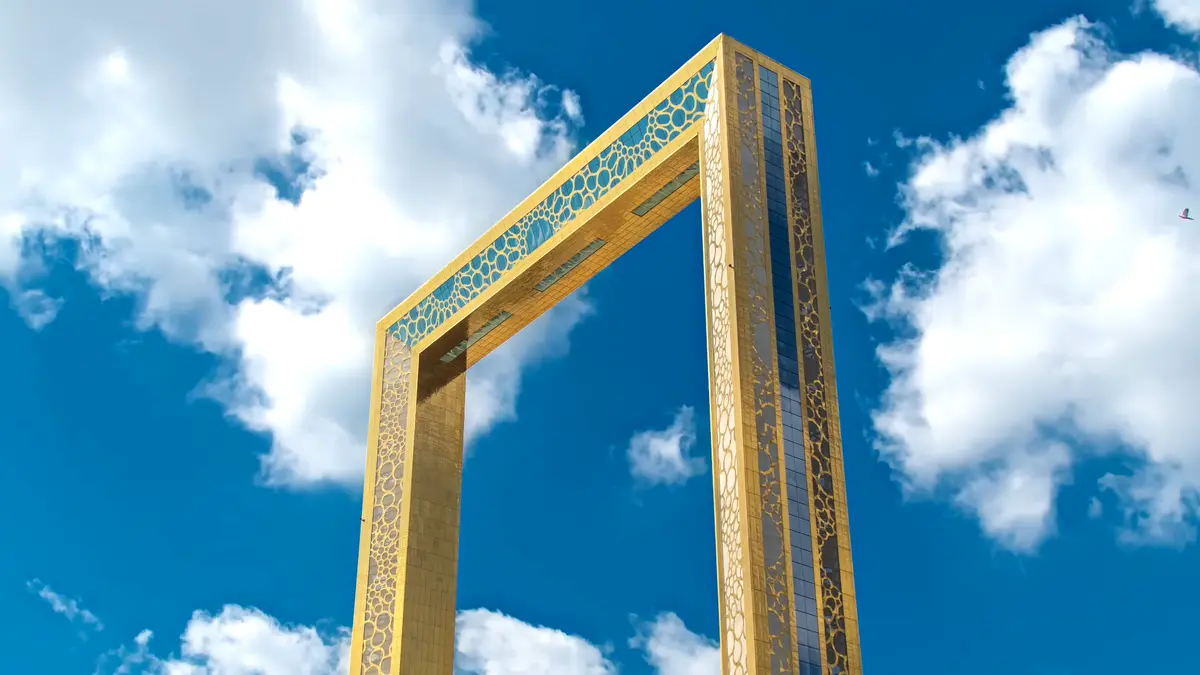
Glass towers. Clean roads. Fast internet. Airports that feel smoother than airports should. Food delivery at 2 AM. Government apps that somehow work better than apps in countries with much older systems. Everything feels… unusually functional.
At first, it just looks like efficiency. Convenience. Maybe money.
But after living here for a while, especially if you pay attention, you start noticing something else underneath it all.
The UAE runs on systems most people never think about.
Not flashy systems. Hidden ones.
And honestly, that’s probably the real reason the country works as well as it does.
The Country Feels “Easy” Because Friction Is Quietly Removed
One thing people notice after moving to the UAE is how many daily problems simply don’t happen here as often.
Bills get paid online in minutes.
Renewals happen through apps.
Government services are surprisingly centralized.
Road infrastructure is organized.
Delivery logistics are ridiculously fast.
You stop thinking about these things because they become normal very quickly.
But they are not normal everywhere.
In many countries, daily life leaks energy constantly. Tiny inefficiencies pile up:
- paperwork
- waiting
- outdated systems
- disconnected departments
- unreliable services
- inconsistent infrastructure
The UAE spent years aggressively reducing that friction.
Not perfectly. There are still issues, obviously. Anyone pretending the country is some flawless futuristic utopia either hasn’t lived here long enough or is trying too hard to sell something.
But compared to many places, the operational structure underneath everyday life is unusually coordinated.
That coordination is the hidden system people rarely talk about.
The Real Infrastructure Isn’t the Buildings
Tourists think the UAE’s infrastructure is skyscrapers.
It isn’t.
The real infrastructure is invisible:
- logistics
- immigration systems
- digital identity systems
- ports
- aviation coordination
- payment networks
- data integration
- transportation planning
- labor organization
- telecom systems
The buildings are just the visual outcome.
You can build towers anywhere if you throw enough money at construction. Plenty of countries have done that.
What’s harder is building a country where millions of people from different nationalities, languages, income levels, and industries can operate together without total chaos.
That requires systems.
And the UAE quietly became very good at system-building.
Sometimes almost obsessively so.
Dubai Especially Feels Like a Giant Operating System
After a while, Dubai stops feeling like a normal city.
It starts feeling more like software.
That sounds dramatic, but spend enough time here and you notice it.
Zones connect to other zones with strange precision.
Tourism feeds retail.
Retail feeds real estate.
Real estate feeds banking.
Banking feeds immigration.
Immigration feeds labor supply.
Labor supply feeds expansion.
Everything overlaps.
Even traffic patterns reveal how the city was designed around economic movement rather than traditional urban life.
That’s partly why some newcomers initially find Dubai emotionally strange.
The city often prioritizes functionality before emotional warmth.
Not always. But often.
The systems come first.
And honestly, that trade-off is probably intentional.
The Workforce Is One of the Biggest Hidden Systems
This part is uncomfortable for some people to discuss openly, but avoiding it makes the conversation fake.
The UAE runs on an enormous international workforce structure.
Millions of workers — from engineers to delivery riders to hotel staff to drivers to executives — keep the machine moving every hour of the day.
People enjoy the convenience of the UAE constantly while rarely thinking about the human network underneath it.
The delivery arriving in 20 minutes.
The hotel operating smoothly.
The roads staying maintained.
The airport functioning 24/7.
The restaurants staying open late.
The towers getting built at impossible speed.
None of that happens magically.
There’s an invisible labor system underneath the polished version of the country people post on social media.
And sometimes the online conversation becomes too simplistic:
either blindly praising the UAE or aggressively criticizing it.
Reality is more complicated than both extremes.
The country created one of the world’s most ambitious economic environments in a very short time. That required massive labor systems, rapid scaling, and relentless development pressure.
There are successes in that story.
There are tensions too.
Both things can be true at once.
Even the “Luxury” Is Systemized
People think luxury in the UAE is mostly about wealth.
Actually, a lot of it is operational excellence disguised as luxury.
Luxury here often means:
- speed
- reliability
- convenience
- predictability
- accessibility
That’s why residents get addicted to the lifestyle faster than they expect.
It’s not always the fancy hotels or sports cars.
It’s smaller things:
- groceries arriving quickly
- roads being maintained
- businesses staying open late
- digital payments everywhere
- low bureaucracy in certain areas
- relatively modern infrastructure
Once people adapt to those systems, going back to slower environments feels frustrating.
You realize comfort is often just well-designed infrastructure.
The UAE Understands Momentum Better Than Most Countries
One thing the UAE leadership seems to understand deeply is momentum.
Modern economies are partially psychological.
If investors believe a country is moving forward, money flows in.
If businesses believe opportunities are growing, companies expand.
If skilled workers believe careers can grow here, talent arrives.
The UAE constantly projects movement:
- new projects
- new visas
- new developments
- new technologies
- new initiatives
- new partnerships
Some projects succeed massively.
Some probably overpromise.
That’s normal.
But the country rarely projects stagnation.
And in global economics, perception matters more than many people admit.
Momentum attracts momentum.
There’s a Cost to Living Inside Highly Optimized Systems
Still, there’s another side people don’t talk about enough.
Living in highly optimized environments can become emotionally tiring.
Everything moves fast.
People chase upgrades constantly.
Cities expand before they emotionally settle.
Work culture becomes intense.
Status becomes visible everywhere.
The UAE can sometimes feel like a place where people are always accelerating.
For ambitious people, that energy feels exciting.
For others, it can feel strangely exhausting after a few years.
That tension sits quietly underneath modern UAE life.
The systems create efficiency.
But efficiency alone doesn’t automatically create belonging.
Most Visitors Never See the Real UAE
Visitors usually experience the polished output:
luxury malls, beaches, skyline views, resorts, nightlife.
Residents eventually see the engine room.
And honestly, the engine room is far more interesting.
Because beneath the branding and architecture, the UAE is really a story about coordination.
A country built around movement.
Around logistics.
Around systems.
Around making complexity feel simple from the outside.
That’s the hidden part.
The country works hard to make things feel effortless.
And when something feels effortless at national scale, there’s usually an enormous system quietly working underneath it.