The Small Moments That Make The UAE Feel Like Home
People usually talk about the UAE in extremes.
The tallest towers. The biggest malls. The fastest growth. The luxury. The ambition. The heat. Always the heat.
And sure, those things exist. You notice them immediately when you arrive. Dubai especially can feel overwhelming at first — bright lights, perfect roads, construction everywhere, ten languages floating around in a single elevator.
But that’s not usually what makes people stay.
What quietly happens, often without realizing it, is that the UAE slowly becomes familiar through very small moments. Tiny routines. Random interactions. Little details that don’t sound important when you describe them out loud.
That’s the strange thing about feeling at home somewhere. It rarely arrives dramatically.
It sneaks in.
The Grocery Store Where They Already Know You
For a lot of expats, this is one of the first signs.
You walk into the same supermarket enough times and eventually somebody starts recognizing you. The cashier remembers your face. The guy at the fresh juice counter already knows your order before you speak.
It sounds insignificant. It isn’t.
In cities that move as fast as Dubai or Abu Dhabi, familiarity becomes emotionally valuable. People underestimate that.
The UAE can initially feel temporary. Everyone seems to be “here for now.” People come and go constantly. Jobs change. Buildings change. Neighborhoods change.
So when daily life starts becoming predictable in a comforting way, something shifts mentally. The city stops feeling like a hotel and starts feeling personal.
Late-Night Karak and Conversations That Go Nowhere
There’s probably no drink more emotionally tied to everyday UAE life than karak tea.
Not because it’s fancy. Actually the opposite.
It’s cheap. Everywhere. A little inconsistent depending on where you buy it. Sometimes too sweet, sometimes perfect.
And somehow it becomes part of people’s routines incredibly fast.
A lot of life in the UAE happens late at night. That surprises newcomers. Cafés full at midnight. Grocery stores busy at 1 AM. Long drives after dinner. Tea stops after work.
Some of the best conversations happen in parked cars holding paper cups of karak while absolutely nothing productive gets discussed.
Just random life talk.
Work stress. Family back home. Rent prices. Weekend plans that never happen.
Those moments matter more than people admit.
The Sound of Different Languages Existing Together
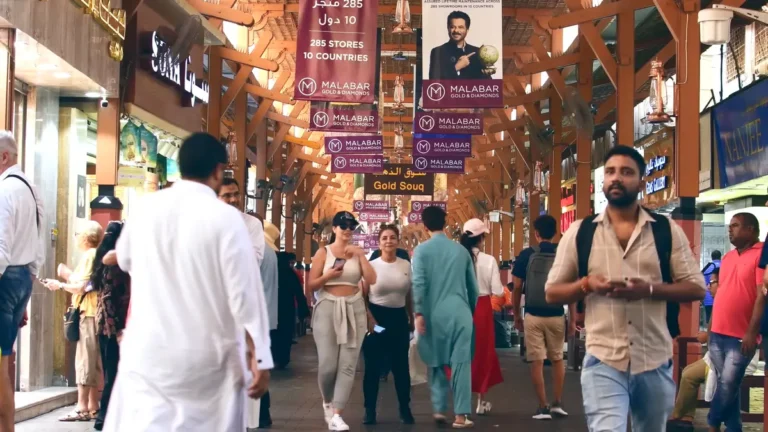
The UAE is one of the few places where hearing five languages in ten minutes feels completely normal.
Arabic. English. Urdu. Hindi. Malayalam. Tagalog. Russian. Bengali. Sometimes all in the same restaurant.
And somehow, most people adjust to this without thinking too much about it.
There’s a certain softness that develops when people from completely different backgrounds learn how to coexist daily. Not perfectly, obviously. No country is perfect. The UAE has social gaps and economic realities that are very real.
But compared to many places, there’s still an unusual level of day-to-day coexistence here.
You see it constantly:
a taxi driver from Pakistan joking with a customer from Lebanon while a Filipino cashier overhears both.
Tiny interactions. Ordinary scenes.
Yet together they create the emotional texture of the country.
Winter in the UAE Feels Different
People outside the Gulf sometimes laugh when residents talk excitedly about “winter.”
But winter here changes the entire mood of life.
Suddenly parks are full. Beaches become pleasant instead of aggressive. Outdoor cafés come alive. Families sit on grass at midnight. Desert camps fill up. People walk more. Stay outside longer.
Even the air feels socially different.
You notice how deeply outdoor weather affects emotional life in the UAE because for much of the year, people move between air-conditioned spaces quickly. Then winter arrives and the country feels open again.
There’s a reason residents become slightly obsessed with those few cooler months.
It changes the rhythm of everything.
The Quiet Kindness You Don’t Expect
One thing people rarely mention enough about the UAE is how often strangers quietly help each other.
Not in dramatic movie-style ways. Smaller than that.
Someone helping push a dead car in a parking lot during summer heat. A cafeteria worker giving extra water bottles to delivery riders. A neighbor sending food during رمضان. Someone translating Arabic for another person struggling with paperwork.
The country runs heavily on migrant life. That creates a strange shared understanding sometimes. Many people are away from families. Many are building lives from scratch.
And because of that, random acts of practical kindness carry more weight.
Especially during difficult periods.
A city can feel modern and still feel lonely. The UAE occasionally balances both at the same time.
Friday Mornings Feel Slower
There’s something very specific about Friday mornings in the UAE.
The roads are quieter. Buildings feel calmer. Cafés open slowly. The pace softens for a few hours.
For many residents, Fridays become emotionally important without them even noticing.
Calls home happen on Fridays. Long breakfasts. Laundry. Mosque visits. Cricket games. Grocery shopping. Recovery from exhausting workweeks.
The country has millions of people working extremely hard behind the polished image outsiders usually see. Hospitality workers. Drivers. teachers. Nurses. Office staff. Construction workers. Small business owners.
Friday carries emotional relief for many of them.
And over time, you start associating that slower feeling with comfort.
The UAE Starts Feeling Familiar Before You Realize It
That’s probably the strangest part.
Nobody arrives in the UAE thinking:
“This place will feel emotionally familiar to me one day.”
At first it feels temporary. Fast-moving. Maybe even transactional.
But then years pass.
You develop favorite shawarma places.
You know which exit avoids traffic.
You recognize the smell of oud in hotel lobbies.
You complain about humidity like a local.
You start giving directions using landmarks instead of maps.
And somewhere in the middle of ordinary life, the country stops feeling borrowed.
Not because it became perfect.
Not because every experience was amazing.
But because daily routines slowly built attachment.
That’s usually how home works in adulthood anyway.
Not through grand moments.
Through repetition.
Through memory.
Through tiny things that become part of you before you fully notice they happened.