The Rapid Development That Says All About the UAE’s Power of Vision
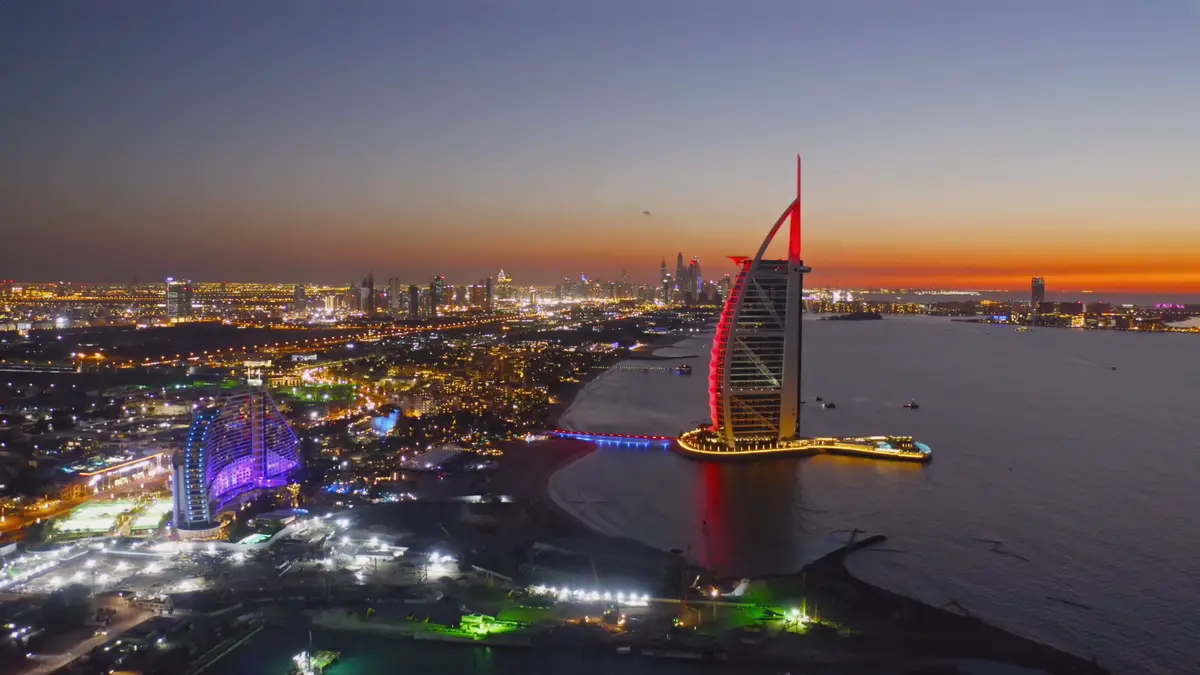
Sometimes it feels almost unreal, how quickly things have changed here.
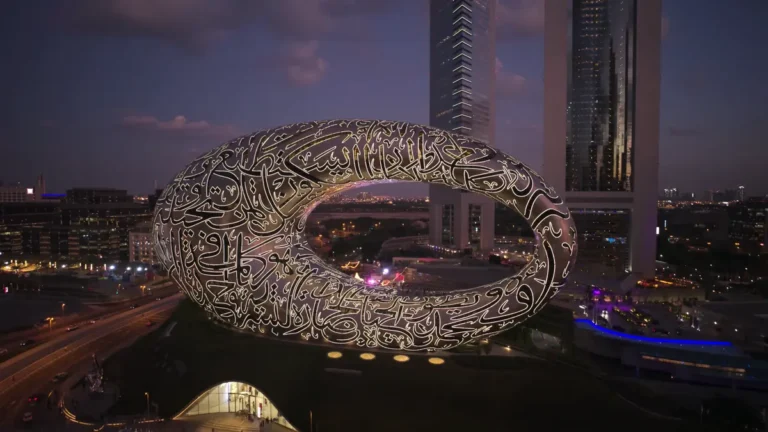
If you talk to someone who visited the UAE in the early 2000s, or even the 90s, their stories sound like they belong to a completely different place. Open land. Simpler roads. A quieter pace. And then you look around today, especially in cities like Dubai or Abu Dhabi, and it is glass towers, highways, airports, ideas stacked on top of each other.
So the obvious question comes up. How did this happen so fast?
People usually say oil, or money, or location. And yes, those things matter. But they don’t fully explain it. There are many places in the world with resources. Not all of them turn into something like this.
What makes the UAE interesting is something less visible. It is vision. And not just having it, but actually acting on it.
Seeing the Future Before It Exists
There is a strange pattern you start noticing after spending time in the UAE. A lot of things here seem to be built before they are fully needed.
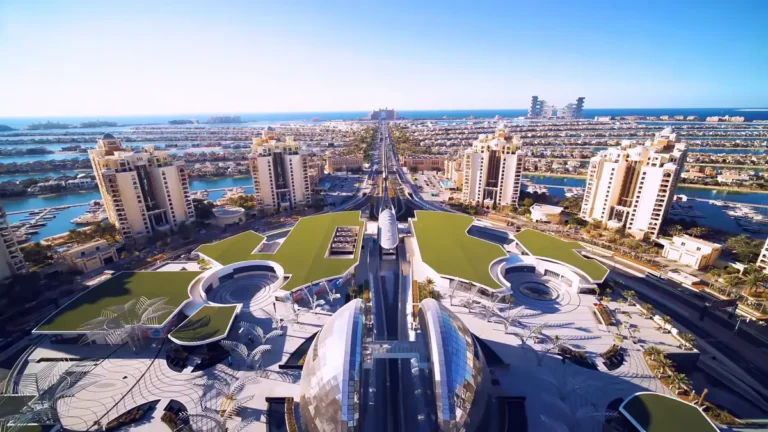
Airports expand before passenger numbers demand it. Roads are widened before traffic becomes unbearable. Entire communities appear in areas that looked empty just a few years earlier.
At first, it can feel like overbuilding. But then a few years pass, and suddenly those decisions start making sense.
That is what vision looks like in practice. It is not reacting to problems. It is anticipating them, sometimes even imagining them.
The UAE did not wait to become a global hub. It started behaving like one long before the world fully recognized it.
And that changes everything.
Speed Matters More Than Perfection
Another thing that stands out is the speed of execution.
In many parts of the world, projects take years just to get approved. Discussions go in circles. Plans are revised again and again. By the time something is built, the original idea has already aged.
In the UAE, things move differently.
Projects get announced, and then you start seeing real progress almost immediately. Construction happens at a pace that still surprises people who have lived here for years.
Is everything perfect? Not always. But that is not the point.
The real advantage comes from moving fast, learning along the way, and adjusting when needed.
There is a kind of confidence in that approach. A willingness to act instead of waiting for perfect conditions.
Building an Environment, Not Just Infrastructure
It is easy to focus on physical development. Buildings, roads, airports, skylines. But the UAE’s growth is not just about construction.
It is about creating an environment where different kinds of people can come together and actually function.
Walk through any part of Dubai and you will hear multiple languages in a single conversation. People from completely different backgrounds working side by side, often without thinking too much about it.
That does not happen by accident.
Policies, systems, and social structures are designed to make this possible. Business regulations, visa systems, safety, digital services. All of these things quietly support the visible growth.
So what you end up with is not just a developed city, but a working ecosystem.
And ecosystems are harder to build than buildings.
Taking Risks That Others Avoid
Vision without risk is just theory.
One of the more interesting things about the UAE is its willingness to try things that might not work.
Free zones were not always a guaranteed success. Neither were large-scale tourism projects. Even the idea of turning desert landscapes into global attractions sounded unrealistic at one point.
But they tried anyway.
Some ideas worked better than others. Some evolved over time. But the willingness to experiment remained consistent.
That mindset creates momentum. Because once a few bold decisions pay off, it becomes easier to take the next one.
And over time, those risks start looking like strategy.
Consistency Over Time
Rapid development often creates the impression of sudden change. But if you look closely, the UAE’s growth has not been random or chaotic.
It has been consistent.
Year after year, there is movement. New initiatives, new sectors, new ideas being tested. It is not always dramatic, but it is steady.
The truth is that being consistent is way more important than just having those random bursts of energy.
Real change? It doesn’t just happen because of one big project or a single choice you made. It’s about showing up every day and putting in the work for a long time.
Think about the UAE. It didn’t just turn into this amazing place overnight. It only looks like that because they’ve been moving at a steady pace for so many years now.
Adapting Without Losing Direction
Another detail that often gets overlooked is how the country adapts.
The world changes quickly. Economic conditions shift. Technologies evolve. Travel patterns move in unexpected ways.
The UAE changes with the times, but they don’t ever lose sight of where they’re actually headed.
For example, when global travel slowed down, the focus shifted toward domestic experiences and new types of tourism. When digital transformation became essential, services moved online faster than many expected.
There is flexibility, but also a clear sense of where things are heading.
That balance is not easy to maintain.
The Human Side of Development
It is tempting to look at development only through numbers. GDP growth, visitor numbers, construction projects. But there is also a human side to all of this.
People come to the UAE for different reasons. Work, business, opportunity, sometimes just curiosity. And many of them end up staying longer than they planned.
Why?
Because the environment allows for movement. You can arrive with one plan and change direction later. Try something new. Start again.
That kind of flexibility attracts people who are willing to take chances.
And those people, in turn, contribute to the growth of the place itself.
So the development becomes self-reinforcing.
What It Really Says About Vision
When you step back and look at everything together, the lesson is not just about building cities.
It is about how vision works when it is taken seriously.
Vision here is not a slogan or a document sitting on a shelf. It is something that shows up in decisions, in timelines, in the way projects are approached.
It is visible in how quickly ideas move from concept to reality. In how different sectors connect with each other. In how the country positions itself globally.
And honestly, the biggest thing is just not giving up. Real vision isn’t just seeing a cool idea one time and then forgetting about it. It’s mostly just about not quitting. Even when it feels like it’s going nowhere and you don’t see any progress yet, you just got to keep showing up.
A Thought That Stays With You
After spending time in the UAE, a small thought tends to linger.
What would happen if more places approached development this way?
Not copying the same model exactly. That would not work everywhere. But adopting the mindset. Thinking ahead. Acting early. Moving with purpose.
Maybe the real takeaway is not about buildings or skylines at all.
It is about what becomes possible when vision is treated as something practical, not abstract.
Something you work on every day.
And slowly, almost quietly, it starts to reshape everything around it.