The Futuristic Buildings Continually Rising in the UAE
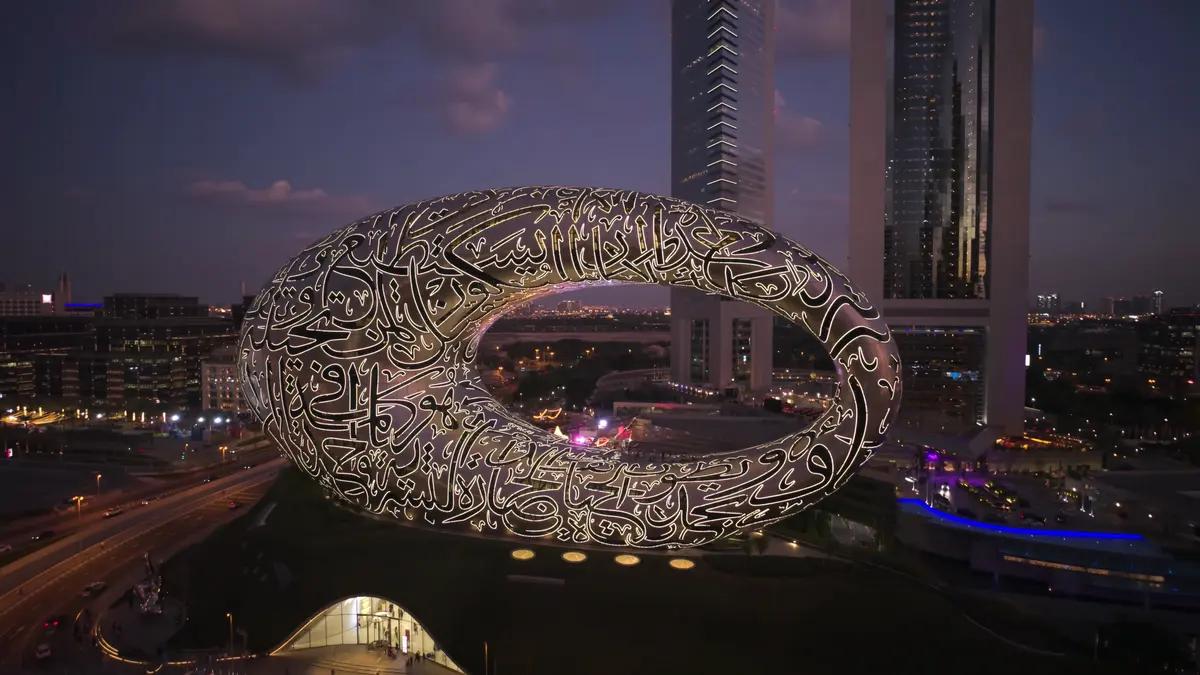
You notice it almost immediately. The scale. The confidence. Buildings that don’t just exist, they announce themselves. In the UAE, architecture rarely settles for “good enough.” It tries to be first, tallest, most unusual, or at least… memorable.
But why does this keep happening here?
It’s not just money, and it’s not just ambition for the sake of it. There’s something deeper going on. A mix of history, identity, competition, climate, and maybe a bit of restlessness too. The kind that pushes a place to keep reinventing itself.
A Young Country That Thinks Big
The UAE is still relatively young. When people talk about cities like London or Paris, they’re talking about centuries layered on top of each other. Here, things moved fast. Very fast.
In a short span of time, empty desert turned into cities that now sit on global maps.
That kind of growth doesn’t happen quietly. It comes with a mindset. A feeling that if you’re building something, it should matter. It should stand out. It should say something about who you are becoming.
So instead of gradual, cautious development, you get bold moves. Towers that redefine skylines. Projects that feel almost experimental. Sometimes they work beautifully. Sometimes they feel excessive. But they always push forward.
Architecture as Identity
There’s also a question that sits quietly behind all this construction.
What does a modern UAE look like?
It’s not an easy question. The country sits at a crossroads of cultures. Arab heritage, global business, tourism, technology, all mixed together. So architecture becomes a way of answering that question without actually saying it out loud.
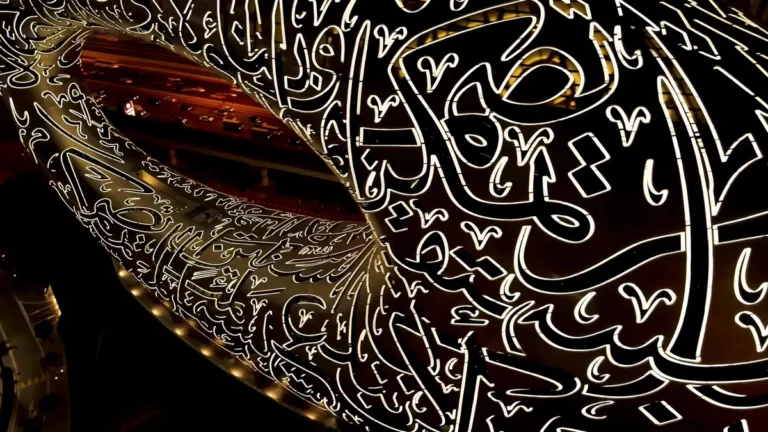
Some buildings lean into tradition. You’ll see elements inspired by wind towers, courtyards, geometric patterns. Others go in the opposite direction, fully futuristic, almost detached from the past.
And then there are projects that try to blend both. Glass and steel, but with shapes or details that hint at something older.
It’s not always perfect. But you can see the effort. A country trying to define itself through design.
Competition Between Cities
This part is interesting, and maybe a little underestimated.
Cities in the UAE are not just developing. They’re quietly competing.
Dubai, Abu Dhabi, Sharjah, even smaller emirates, each has its own direction, its own priorities. But there’s always this underlying push to stand out.
If one city builds something iconic, the others respond in their own way.
Not necessarily copying. More like… answering.
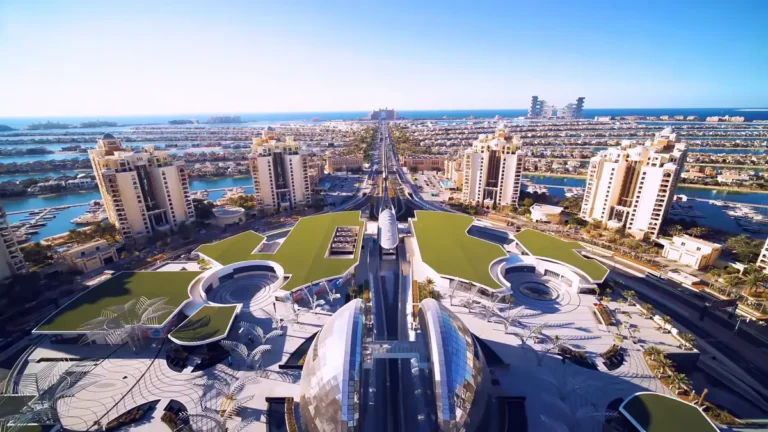
A new museum here. A cultural district there. A skyline that keeps stretching higher. It creates momentum. Once it starts, it doesn’t really stop.
And because these cities are still evolving, there’s space to experiment. You’re not restricted by centuries of existing infrastructure. You can try something bold without tearing down history to make room for it.
Tourism Plays a Big Role
Let’s be honest. Tourism shapes a lot of decisions here.
People don’t just visit the UAE for beaches or shopping. They come for experiences. For things they haven’t seen before. And architecture becomes part of that experience.
A building is no longer just a building. It’s a destination.
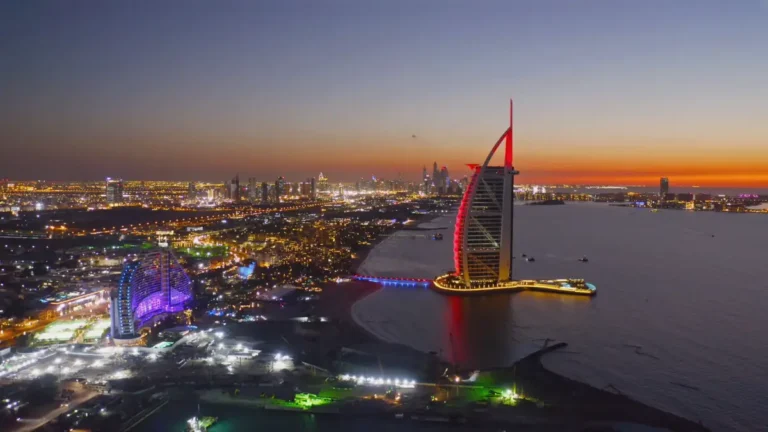
Think about how many visitors plan their trips around landmarks. Observation decks, waterfront developments, unique museums, themed districts. These places don’t happen by accident.
They’re designed to attract attention.
And in a world where everyone is scrolling, sharing, posting, a striking building becomes free marketing. One photo, one video, and suddenly that structure is everywhere.
So the ambition makes sense. It’s not just aesthetic. It’s strategic.
The Climate Forces Creativity
The environment here is not forgiving. Heat, sand, humidity in some areas. You can’t just copy designs from Europe or North America and expect them to work.
So architects have to adapt.
That’s where things get interesting.
You start seeing buildings designed to manage heat, reduce energy use, create shade, improve airflow. Sometimes these solutions become part of the visual identity of the structure.
It’s not always obvious to visitors. But behind the glass and steel, there’s a lot of thinking going on about how to make these spaces livable.
And sometimes, that necessity leads to innovation. Designs that look futuristic are actually responding to very real environmental challenges.
A Culture That Accepts Bold Ideas
In some parts of the world, people really don’t like it when architects try to get too fancy. They’d much rather just have buildings that look like what they’re used to. Honestly, change just feels kinda weird to most folks.
The UAE feels different in that sense.
There’s a general openness to new ideas. Maybe because so many residents come from different backgrounds. Maybe because the country itself has changed so much in such a short time.
Either way, bold projects don’t feel out of place here. They feel expected.
If a new development is announced and it sounds a bit unusual, the reaction isn’t always skepticism. It’s curiosity.
What will it look like? When will it open?
That mindset allows architects and developers to take risks they might not take elsewhere.
Economic Strategy, Not Just Aesthetics
Honestly, there’s a real practical side to this too.
Look, when you build those huge, crazy-looking buildings, it actually makes the city way more money. It’s basically a giant sign that says “hey, we’re doing great, we’re stable, and we got big plans for the future.”
When those big-shot companies look at a city and see all these massive projects and cool new developments, they feel way more comfortable moving their business there. It just makes them feel safe.
It basically shows them that the place is actually going somewhere and not just stuck in the past.
So, these towers and stuff? They aren’t just for looks. They’re like tools for the economy. They help make the UAE look like the main spot for business, travel, and all that new tech stuff.
Sometimes It’s Just… Momentum
Plus, there’s this other thing that’s way harder to explain.
See, once a city gets a reputation for having all these crazy, bold buildings, it’s like they’re stuck. They kinda just have to keep doing it to stay relevant.
It becomes part of its identity.
People expect the next big thing. The next headline. The next project that makes them pause and look twice.
So the cycle continues.
Developers push further. Architects experiment more. Cities evolve in ways that feel almost continuous, like they’re never fully finished.
Final Thought On Ambitious Architecture
Ambitious architecture in the UAE isn’t random. It’s layered.
Part identity, part strategy, part competition, part necessity.
And maybe a little bit of pride too.
A desire to build something that lasts. Something that represents a moment in time when the country decided not to think small.
You can walk through these cities and feel it. In the scale of the buildings, in the way skylines keep shifting, in the constant sense that something new is just around the corner.
Not every project will age perfectly. Some will feel excessive years later. That’s normal.
But taken together, they tell a story.
A place that didn’t wait to grow slowly. It chose to leap.
And once you start looking at it that way, the architecture begins to make a lot more sense.