Understanding the Cost of Living in Dubai: What People Rarely Talk About
Dubai is a perfect spot for those looking to acquire luxurious lifestyle and expand business at the same time. Many associate it with skylines, great business environment and a quite remarkable lifestyle. However, if you are planning to relocate or live temporarily, the question arises that what is the real cost of living Dubai.
Currents depend on factors like lifestyle, family size and priorities. However, there are some habits, that reveals a few facts about newcomers who do not experience them until later.
Rent: The First Big Decision
Eventually, rent will be the main topic of conversation, the only reason why the single, elegant apartment will make it hard for you to part with your cash. Apartment prices not only vary by the two factors, but also change according to the kind of property.
Downtown Dubai? You will be asked to pay a high price for having a location close to the Burj Khalifa, Dubai Mall, and the city’s main business districts. It is not unusual for even small one-bedroom flats to have rents of AED 6,0008,000 per month. In Jumeirah Village Circle or Al Barsha others similar flats can be 3040% less expensive.
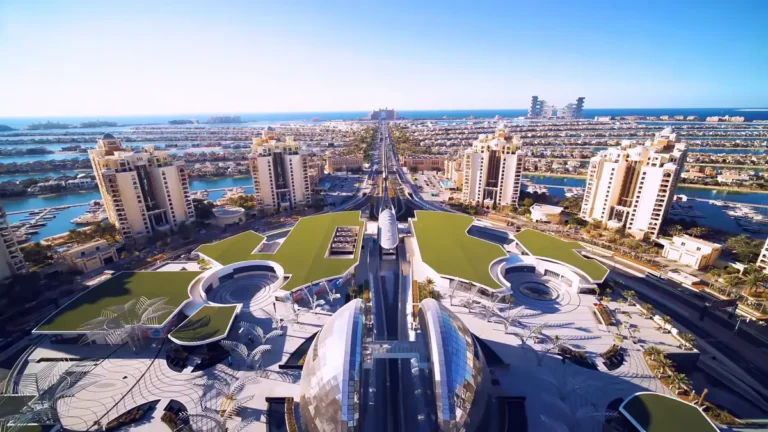
Needless to say, that these types of villas or bigger family apartments in Marina, Palm Jumeirah, or Jumeirah are more on the expensive side but with the benefits of privacy, space, and the luxury of private facilities.
A tip most expats pick up: older buildings tend to have lower rent, usually but sometimes they come with surprise repair problems or limited features.
Many residents eventually learn practical ways of managing their spending. For a deeper look at this, see our guide on How to Live Comfortably in Dubai on a Moderate Budget.
Food and Dining: A Mix of Cheap and Luxurious
Dubai’s food scene is impressive. You can get meals cheap or eat like a VIP sometimes on the same block.
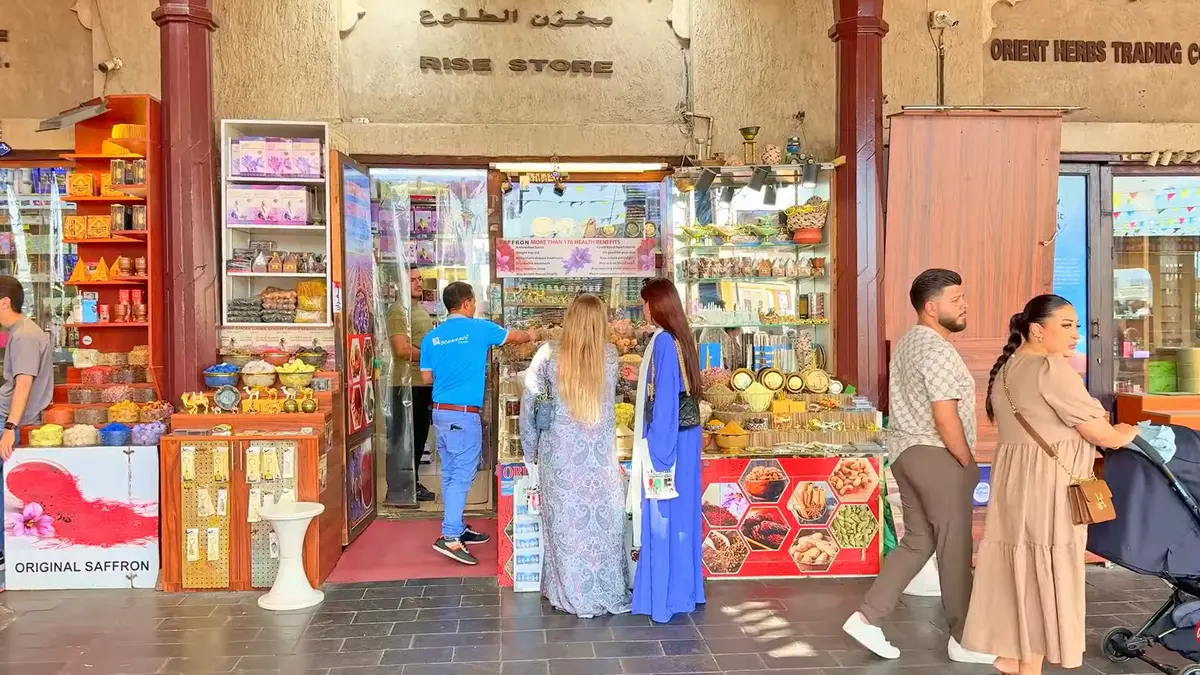
Stores like Carrefour or Lulu sell basic groceries: rice, bread, fruits, and veggies. Imported items often cost more, so be ready to pay more for European cheeses, special oils, or organic goods.
Eating out? Quick bites stay under AED 30 per meal. Mid-tier spots cost about AED 60 to 120 per person, based on where you go. Upscale meals at oceanfront places or hotels can top out at AED 500 per person.
(Many guests forget how much service charges add up.) Most places include a 5% to 10% tip, which grows steadily with frequent visits.
Transportation: Car vs Public Transit
And many people find that how they get around in Dubai has a big impact on their spending. Owning a car is widespread gas costs are low, about AED 2.50 per liter but the total cost of buying a car, paying insurance, and registering it can be high for people new to the country. Public transit works well. The metro, buses, and trams serve major areas, and a monthly pass costs about AED 300. A lot of expats mix using the metro with taxis or their own cars when they need more freedom.
Water, electricity, cooling, and internet costs depend on apartment size and daily use. On average: Small apartment: AED 400 to 700 per month Medium family apartment: AED 700 to 1,200 per month High-speed internet for several devices adds between AED 300 and 500 monthly. A common surprise comes in summer electricity bills go up sharply because air conditioning runs most of the day.
Lifestyle, Leisure, and Unexpected Costs
The town boasts an amazing array of entertainment that would certainly rake up thousands of dollars if you indulge yourself! From gyms and cinemas to theme parks and shopping, these can really add up on your pocket.
Health insurance is another factor to consider. Most companies offer it but you might want to check that it will cover your whole family as well. Obviously, kids schooling is the first thing a parent considers. Generally, private schools offering basic international curricula cost around AED 30,000 to 80,000 per year; however, the price for elite schools can be substantially higher. Last but not least, the few usual everyday habits like using taxis, visiting coffee shops, and choosing specific types of groceries quietly can double what one estimated to spend.
Of course, affordability depends heavily on income levels. Our breakdown of Average Salary in Dubai explains what many professionals typically earn.
Bottom Line: It’s About Lifestyle Choices
The cost of living in Dubai is not just one fixed number. It depends on how you live and what you prefer.
Some people would prefer to spend only about AED 5,0008,000/month, which is enough for a single person to have a small apartment, buy groceries, use public transport, and have some leisure time.
Expats living a comfortable life can live on AED 12,00020,000/month which is enough to abandon a good apartment, dine out frequently, go on weekends trips, and enjoy moderate luxuries.
Luxury lifestyle: AED 30,000+/month for renting a high-end property, fine dining, shopping, and unlimited entertainment.
So the main point is that Dubai offers a wide-range of possibilities for any budget but at the same time, it requires you to be aware, plan, and be flexible. Plus, it gives a great experience to those who venture beyond the usual neighborhoods, restaurants, and routines.
Many newcomers also wonder how the city compares with other global hubs. A detailed comparison can be found in Is Dubai Expensive Compared to Other Global Cities?
For some people, the actual cost of living is not much about the expenses themselves but more about how well they make their way through the city. If you know the places where you can buy, the times you can travel, and the ways you can balance your lifestyle and work, then you can choose between living very cheaply or fully enjoying a fast-paced, vibrant city environment.
Dubai, in fact, is a shining, complicated city, and for the people who want to pay attention, quite easy to handle.