Dubai Desert Safari Guide 2026: Prices, Types & What to Expect

Last updated: 8 October 2026. Prices change by season and operator. Confirm inclusions and the operator’s license before you pay.
Quick answer: For most visitors, a desert safari is well worth it, though the experience depends largely on the operator and the specific desert location you choose. A shared evening safari with dinner typically costs between AED 150 and 250; premium shared options range from AED 350 to 500; and private 4×4 tours cost between AED 650 and 1,200 for up to six people. If you prefer tranquility and wildlife viewing over crowds, opt for a tour within the Dubai Desert Conservation Reserve. If you are prone to motion sickness, pregnant, have back problems, or are traveling with an infant, choose a tour that does not include dune bashing.
On this page: Which safari is right for you? · Types and prices · Where it happens · A typical evening · Dune bashing · Camps, camels and quads · Who should be careful · Safety and licensing · Best time · What to wear · How to book · Our pick · FAQ
Which safari is right for you?
If you are… | Consider |
|---|---|
A first-timer who wants the full classic experience | Shared evening safari with dinner |
Short on time or avoiding crowds | Morning safari |
A family, or a group of 4–6 | Private 4×4 |
Pregnant, elderly, prone to motion sickness, or travelling with an infant | A safari without dune bashing |
After wildlife, quiet and photography | A tour inside the Dubai Desert Conservation Reserve |
Wanting to sleep under the stars | Overnight camp |
Types of desert safari and typical prices
The prices listed below are merely estimates obtained from operators and price comparison websites in 2026, so use them to determine whether an offer is reasonable.
Type | Typical price | What it usually includes |
|---|---|---|
Morning safari (shared) | from about 104–130 | Dune bashing, sandboarding, camel photo stop, shorter than evening |
Evening safari (shared, standard) | about 150–250 | Hotel pickup, dune bashing, camel ride, sandboarding, BBQ dinner, shows |
Evening safari (premium shared) | about 350–500 | Smaller or better camp, VIP seating, sometimes quad bike |
Private 4×4 (up to 6 guests) | about 650–1,200 per vehicle | Your own vehicle and pace, usually a regular camp |
Overnight safari | from about 716 per adult | Evening program, tent stay, breakfast |
Conservation-reserve luxury | about 795–1,950+ per adult | Small group, vintage or premium vehicles, chef-led dinner, wildlife drive |
Very cheap offers priced below AED 130 often lack certain services or exclude specific inclusions. Furthermore, if you are booking for a group of five or six people, the cost per person for a private 4×4 is roughly the same as that of a shared tour, yet it offers you much greater flexibility. Divide the vehicle’s price by the number of people in your group before assuming the private option is more expensive.
Where it happens: 3 very different deserts
Most guides skip this, but it explains why safaris vary so much.
Area | What it is | Who runs tours | What to expect |
|---|---|---|---|
Dubai Desert Conservation Reserve (DDCR) | A protected reserve of about 225 km² southeast of Dubai | A small number of approved operators; vehicle numbers and routes are capped | Wildlife (oryx, gazelle), small groups, fixed routes, gentle driving |
Al Marmoom Desert Conservation Reserve | A public, unfenced reserve managed by Dubai Municipality | Open to the public and licensed operators | Free entry, Al Qudra lakes, cycling, wildlife, no dune-bashing product |
Lahbab, Al Awir, Al Faya | Unprotected “commercial” desert used by the mass market | Most Dubai safari companies | Large camps (often hundreds of guests a night), heavy dune bashing, low prices |
Licensed operators within the Dubai Desert Conversation Reserve must adhere to strict route and speed regulations, effectively eliminating aggressive dune bashing in the area. Thus, the choice isn’t just about price. It’s a matter of adrenaline and crowds versus tranquility and wildlife. If a tour claims to enter the Dubai Desert Conversation Reserve, ask which approved operator is running it, as the reserve publishes a list of them.
What a typical evening safari looks like
Timings vary by operator and season, but a shared evening tour commonly runs like this:
Time | What happens |
|---|---|
3:00–3:30pm | Hotel pickup |
About 4:30pm | Arrive in the desert; dune bashing begins |
About 5:30–6:00pm | Sunset photo stop, sandboarding, optional quad bikes |
About 6:30pm | Camp: camel ride, henna, shisha area, shows begin |
About 7:30–8:30pm | BBQ dinner and entertainment |
About 9:30–10:30pm | Return to your hotel |
What dune bashing actually feels like
It’s bumpy, loud, fun for many people and uncomfortable for others. A good driver balances excitement with control, and a bad one tries to impress.
If you get motion sick:
- Avoid a heavy meal beforehand
- Sit in the middle row
- Keep your eyes on the horizon and stay hydrated
- Tell the driver early. You can ask them to slow down or stop.
Camps, camels, and quad bikes
- Camps vary significantly depending on the operator. Some are well-organized and relaxed, while others feature crowded banquet halls. Common complaints include overcrowding, rushed buffet lines, mediocre food, and aggressive upselling.
- Camel rides included in standard packages are usually very short—sometimes just one or two minutes. A proper camel trek is a separate tour.
- Quad bikes and buggies are typically optional add-ons. Check the duration, engine size, whether the ride is guided, and if you will be riding across open dunes or just around a small loop; otherwise, you might end up paying for just five minutes of circling around.
Who Should be careful
- Pregnancy. Avoid tours that include dune bashing and consult your doctor first. Opt for a safari without dune bashing if you still want the camp experience.
- Infants and toddlers. Some operators do not allow infants under 3 years old in dune-bashing vehicles. Confirm the policy with your operator.
- Children. Most operators provide seatbelts and allow families to request a gentler driving style. Private vehicles and morning tours are often more suitable for families.
- Older travelers and individuals with back, neck, or heart conditions. Avoid aggressive dune bashing and quad biking.
- Anyone prone to motion sickness. Refer to the tips above.
Safety and licensing
In general, a safari is safe if the operator is licensed. Requirements include a tour operator license from the Dubai Department of Economy and Tourism (DET), RTA permits for safari drivers, 4×4 vehicles with inspected roll cages, and public liability insurance.
Before booking:
- Ask for the operator’s DET license number and verify it with them.
- Do not drive on the dunes yourself. It is unsafe and prohibited in protected reserves.
- Check your travel insurance. Standard policies typically do not cover dune bashing and quad biking.
- Wear your seatbelt throughout the dune drive.
These requirements are based on operator and booking site guidelines, so it is advisable to verify them with the DET.
Best time to visit
The climate is comfortable from October to April, with the most pleasant weather occurring between November and February. December is peak season, so book early and expect higher prices. Safaris still operate during the summer, but afternoon heat can be intense so opt for morning or evening tours and stay hydrated.
What to wear and bring
Wear comfortable clothing and closed-toe shoes. Sand gets everywhere, so protect your phone and camera. Bring a light jacket from December to February, as the desert gets cold quickly at night.
How to book and red flags to watch out for
Check:
- Recent reviews on Google and Tripadvisor. Read the negative ones.
- What is actually included. “Included” online sometimes means “available for an additional fee upon arrival.”
- Pick-up times, cancellation policies, and whether there are child rates.
- Camp capacity and the operator’s license.
Red flags:
- Prices well below market rates without explanation
- Refusal to name the camp or the specific desert location
- Pressure to purchase add-ons upon arrival
- No license number provided, or vague answers regarding it
Examples of operators frequently appearing in 2026 guides include Platinum Heritage (a luxury reserve option) and Arabian Adventures (a long-established mass-market operator). These are examples, not endorsements, so compare recent reviews before making a choice.
Our recommendation for a standard evening safari
We recommend the Evening Desert Safari Dubai for travelers looking for a classic shared evening tour. We have no commercial affiliation with this company and receive no compensation for mentioning them.
Why we recommend it: Our colleague booked a tour in January 2026. The safari driver arrived on time to pick us up, and ensured passenger safety throughout the tour specially during the 30 minutes dune bashing session. The camp setup was spacious. We thoroughly enjoyed the BBQ dinner and the live shows.
What we checked: the company holds a Dubai DET license (number 1597095), which you can verify with the DET.
Keep in mind: no single operator suits everyone. A shared tour in the main desert tour areas may be more crowded compared to tours in private reserves designed for small groups; therefore, it is best to compare recent reviews before making a choice.
Is a desert safari worth it?
For most visitors, yes—provided your expectations align with the tour itself. A solid mid-range evening safari is usually sufficient for most people. If you are seeking tranquility and wildlife, it is worth spending a bit more for a tour in a nature reserve. If you prefer to avoid crowds, steer clear of the cheapest mass-market packages. And if the idea of dune bashing makes you feel dizzy or nauseous, there are gentler options available that involve less intense movement.
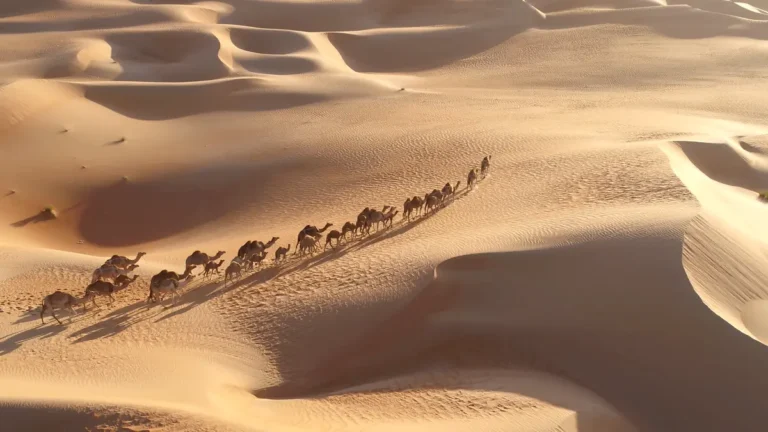
The desert is the part of Dubai that often leaves the most lasting impression on visitors. As the sun sets behind the dunes and the noise fades away, the city feels worlds away.
For more trip-planning information, check out Plan Dubai by Neighborhood, Dubai Tourism Statistics 2026, and our guide to Etihad Rail for travel between the emirates.
Frequently Asked Questions
Sources and disclosure: operator and comparison-site price data (2026), DET licensing guidance as described by operators, and reserve information. We have no commercial relationship with any operator mentioned or linked on this page.