Why Digital Nomads Are Moving to Dubai
For years, Dubai had this reputation online.
Luxury cars. Beach clubs. Influencers filming breakfast videos beside infinity pools they probably rented for one afternoon.
And honestly, that image still exists. A lot of it.
But underneath all the glossy nonsense, something else has been happening quietly.
Dubai has become one of the more serious global hubs for digital nomads moving to Dubai as well as remote workers, freelancers, and online business owners.
Not because it’s perfect.
Not because everyone suddenly became rich after landing at DXB airport.
Mostly because a growing number of people around the world are tired. Tired of unstable cities, rising taxes, weak infrastructure, visa uncertainty, slow bureaucracy, and places where daily life feels harder every year.
Dubai stepped into that gap.
And now digital nomads are noticing.
According to recent global rankings, the UAE became the world’s second most attractive destination for digital nomads in 2025, moving up from fourth place in 2023.
Ref: Gulf News
That jump did not happen accidentally.
Dubai Is Selling Stability More Than Luxury Now
This is the part many outsiders misunderstand.
Most long-term remote workers moving to Dubai are not chasing Lamborghinis.
They’re chasing predictability.
That sounds boring. But once someone spends years working remotely while moving between unstable rental markets, difficult banking systems, weak internet infrastructure, or endless tax confusion, boring becomes attractive.
Dubai offers things many cities still struggle with:
- fast internet
- modern transport
- relatively low crime
- functioning digital services
- strong flight connections
- reliable banking access
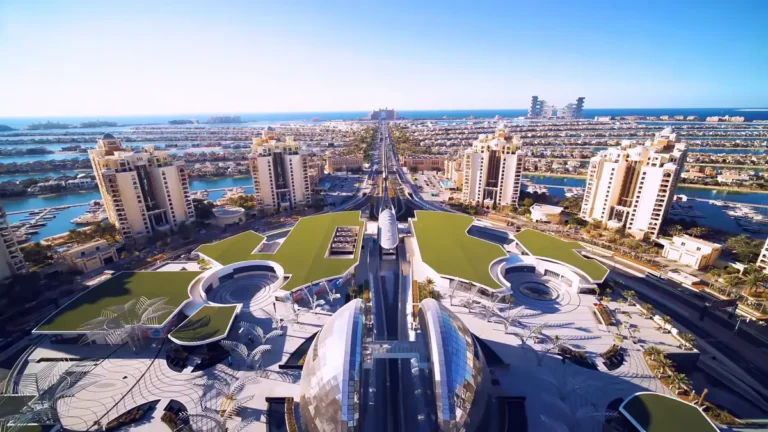
- clean infrastructure
People underestimate how valuable those basics become when your income depends entirely on being online every day.
If your internet dies constantly, your business suffers.
If banking becomes complicated, your clients disappear.
If your city feels unsafe, productivity drops.
Remote workers care about these things more than aesthetics after a while.
The UAE Remote Work Visa Changed Everything
One major reason more digital nomads are moving to Dubai is the UAE Remote Work Visa.
The program allows foreigners working for companies outside the UAE to legally live in the country while continuing remote work. Applicants generally need proof of employment outside the UAE and a minimum monthly income of around USD 3,500.
Ref: Adro
That matters because remote workers used to operate in legal grey areas globally.
Tourist visas.
Visa runs.
Temporary stays.
Constant uncertainty.
Now more countries are competing for digital nomads openly.
As of 2026, at least 66 countries offer some form of digital nomad visa.
Ref: Nomad
Dubai moved early enough to become part of that conversation before the market became overcrowded.
And unlike some countries that launched remote work programs without proper infrastructure, Dubai already had:
- airports
- telecom systems
- luxury and budget housing
- coworking spaces
- business communities
- international healthcare
That gave it an advantage immediately.
The Tax Conversation Is Real
People dance around this topic online because it sounds uncomfortable.
But let’s be honest.
Taxes are absolutely part of why many freelancers and entrepreneurs look at Dubai.
The UAE does not impose personal income tax in the way many Western countries do. For high earners working online, that changes financial planning massively.
Ref: Reddit
Still, social media oversimplifies this too much.
Living in Dubai does not automatically erase tax obligations in your home country.
That depends on:
- citizenship
- tax residency rules
- number of days spent abroad
- business structure
- treaties between countries
A surprising number of remote workers discover this too late.
They think:
“I moved to Dubai, now I pay zero tax everywhere.”
That is not always how international taxation works.
Some people structure things properly.
Others create future legal headaches for themselves.
Big difference.
Dubai Works Well for Certain Types of People
Not everyone should move here.
This is where many articles become fake and overly positive.
Dubai works best for people who:
- already earn remotely
- value safety and infrastructure
- travel often
- can handle high living costs
- prefer convenience over cultural depth
- are disciplined financially
It works less well for people expecting:
- cheap living
- instant social connection
- European-style walkable neighborhoods everywhere
- artistic underground culture
- easy long-term citizenship
Dubai is efficient. Very efficient sometimes.
But efficient and emotionally fulfilling are not always the same thing.
Some remote workers love the structure.
Others feel isolated after the honeymoon phase ends.
Both experiences are real.
The Cost of Living Is Higher Than You Think
This is where many YouTube videos become dangerous.
A lot of content creators film Dubai like everyone can casually live inside a Marina apartment while drinking AED 40 coffees daily.
Reality hits differently after six months.
Yes, there are cheaper ways to live in Dubai.
But overall, the city is expensive.
Especially:
- rent
- international schools
- nightlife
- healthcare
- delivery culture
- parking
- entertainment
- imported products
And lifestyle inflation here is aggressive.
People arrive planning a balanced life.
Then the city slowly pushes spending upward.
A nicer apartment.
More dining out.
Coworking memberships.
Weekend staycations.
Networking events that quietly become status competitions.
Dubai rewards ambition.
But it also rewards showing success publicly.
That pressure can become exhausting for freelancers whose income fluctuates month to month.
Coworking and Startup Culture Keep Growing
There’s another reason digital nomads stay longer than expected.
Community.
Dubai has spent the last few years building stronger startup and freelance ecosystems. Coworking spaces, networking events, founders groups, creator communities, and remote work meetups are now everywhere.
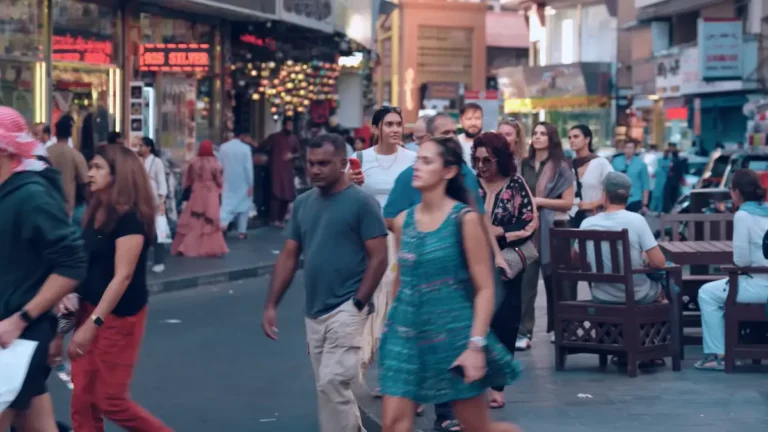
And because nearly 90% of the UAE population is expatriate, newcomers often integrate faster than in many countries. English also dominates most business communication.
Ref: Reddit
That matters more than people think.
Remote work can become isolating very fast.
A city where people are actively building businesses creates momentum. You feel it when talking to others here. Everyone seems to be working on something:
- agencies
- ecommerce brands
- SaaS startups
- consulting businesses
- trading companies
- content businesses
Sometimes that energy becomes motivating.
Sometimes it becomes performative and fake.
Honestly, both exist side by side in Dubai.
Some Digital Nomads Still Leave
This part rarely appears in promotional articles.
Not everyone stays.
Some remote workers eventually leave Dubai because:
- they miss nature
- costs become too high
- social life feels transactional
- summers become difficult
- they want permanent citizenship pathways elsewhere
And yes, Gulf summers are genuinely brutal for many newcomers.
From May to September, outdoor life becomes limited for large parts of the day. People adapt eventually, but it affects lifestyle more than influencers admit.
There’s also another reality.
Dubai moves fast.
Very fast.
Some people thrive in that environment.
Others burn out from constant pressure to optimize income, appearance, and success.
Why Dubai Still Keeps Winning
Even with all the criticism, Dubai keeps attracting remote workers because few places combine these factors together:
- strong infrastructure
- global connectivity
- relative safety
- business friendliness
- modern services
- low personal taxation
- residency options
- international environment
And the UAE government clearly wants more long-term residents now.
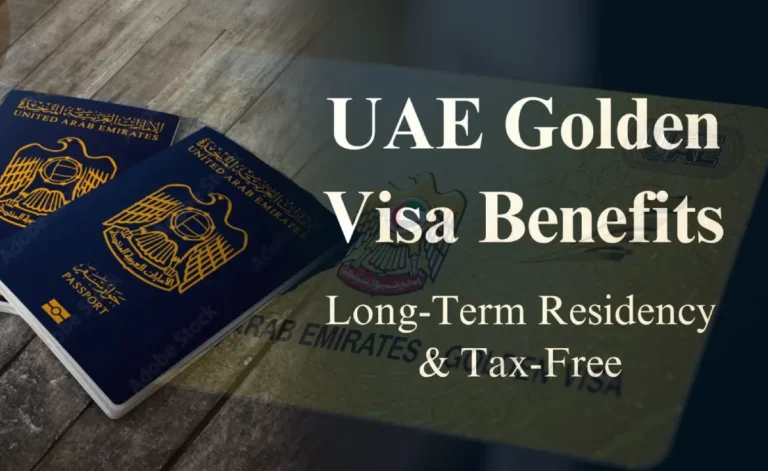
Dubai alone has issued over 167,000 Golden Visas to families of skilled professionals since 2021.
Ref: The Economic Times
That tells you where the country is heading.
Toward attracting people who build businesses, bring income, invest, and stay longer.
Not just short-term tourists.
Bottom Line
Dubai is not paradise.
And honestly, people should stop selling it that way.
- It’s expensive.
- Competitive.
- Fast-moving.
- Sometimes superficial.
- Sometimes exhausting.
But it’s also one of the few places where a remote worker can realistically build a globally connected life with relatively smooth infrastructure and strong business access.
That combination is rare.
Which is exactly why more digital nomads are moving to Dubai, even while fully understanding the tradeoffs.
Not because life here is perfect.
Mostly because, for certain types of people, the system works better than many alternatives right now.