The Silent Growth Of Smart Cities Across The UAE

You don’t always notice it at first.
Nothing dramatic. No big announcement every morning. No loud switch from “normal city” to “smart city.” It’s slower than that. Almost quiet. But if you live in the UAE long enough, or even visit a couple of times over the years, you start catching small changes. Things working smoother. Lines disappearing. Systems feeling… connected in a way that’s hard to explain.
That’s the thing about smart cities here. They are not arriving all at once. They are slowly stitching themselves into everyday life.
What “Smart” Actually Means Here
People hear the term smart city and immediately think robots, AI, flying taxis. Some of that exists in experimental form, sure. But the real story is less flashy.
In the UAE, smart city development feels more like reducing friction.
- Less waiting.
- Less confusion.
- Less paperwork.
You open an app, and things just happen. Bills get paid, services get scheduled, permits get approved. It’s not futuristic in a sci-fi way. It’s practical. Almost boring sometimes. But that’s exactly why it works.
Government Services That Almost Feel Invisible
A few years ago, doing anything official meant visiting an office. Documents, queues, stamps, back and forth.
Now, most of that has quietly moved online.
Need to renew something? There’s an app.
Need to check a fine? Done in seconds.
Need approvals? You barely leave your chair.
Platforms like DubaiNow have changed the way residents interact with the system. It’s not just convenience. It’s consistency. Things work the same way across services, and that builds a kind of trust over time.
You stop expecting problems.
Transportation Is Getting Smarter Without Making Noise
If you use public transport in Dubai regularly, you might not think about it much. You tap your card, get on the metro, and move.
But behind that simplicity, there’s a lot happening.
The Roads and Transport Authority has been quietly integrating systems. Metro timings, traffic signals, road sensors, even parking systems are becoming part of one larger network.
Traffic still exists, of course. Anyone who’s driven at peak hours knows that. But the way traffic is managed is evolving. Signals adjust. Routes get optimized. Navigation apps seem to “know” things a bit faster than before.
It’s not perfect. But it’s getting smarter.
Payments Without Thinking About Payments
Cash is still around, but you can feel it fading.
You pay for parking with your phone.
You pay for groceries with a tap.
You pay for government services online.
Even smaller vendors are starting to adapt.
This shift is subtle, but it changes behavior. People stop planning payments. They just… pay. The system becomes part of the background.
And once that happens, the city starts feeling faster.
Energy and Sustainability in the Background
This part doesn’t get as much attention, but it’s probably one of the most important.
Projects under organizations like Dubai Electricity and Water Authority are pushing smart grids, energy monitoring, and sustainable infrastructure.
You don’t see it directly, but it shows up in small ways.
Buildings becoming more efficient.
Energy usage being tracked more accurately.
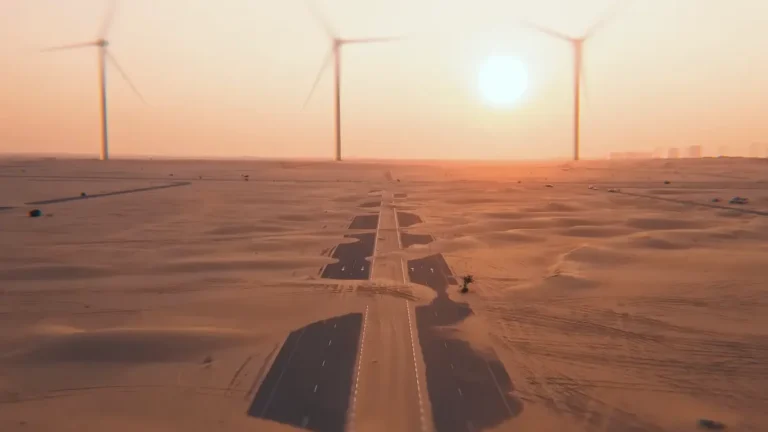
Solar initiatives slowly expanding.
It’s not just about being modern. It’s about being sustainable in a place where resources matter a lot.
Data Is Quietly Running Everything
Here’s the part most people don’t think about.
Data.
Every tap, every transaction, every movement through the city creates data. And the UAE has been investing heavily in using that data to improve systems.
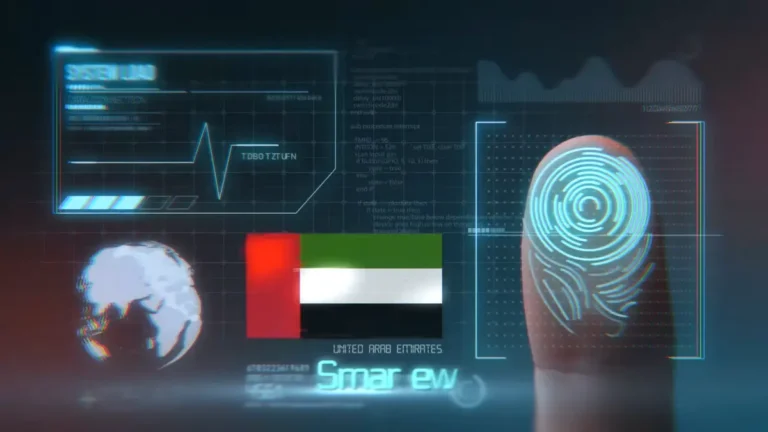
Through initiatives like Smart Dubai, the idea is to connect different parts of the city into one ecosystem.
Traffic talks to infrastructure.
Services talk to databases.
Systems talk to each other.
It sounds abstract, but the result is very real.
Things become predictable.
Services become faster.
Mistakes become less common.
At least in theory. In practice, it’s still evolving.
Everyday Life Is Slowly Changing
This is where it gets interesting.
Smart city development is not just about systems. It changes how people behave.
People expect faster responses now.
They expect apps to work instantly.
They expect services to be available all the time.
And when something doesn’t work, it feels more frustrating than it used to.
That shift in expectation is a sign that the system is working. People adapt quickly when convenience becomes normal.
The Tourist Experience Is Also Affected
Visitors might not think about smart infrastructure, but they feel it.
Booking experiences online is easy.
Navigation across the city is smooth.
Payments are simple.
Even activities like desert tours, attractions, or city experiences are now deeply connected to digital platforms.
The result is a smoother journey. Less confusion, fewer barriers.
Tourism becomes less about figuring things out and more about enjoying them.
Not Everything Is Perfect
It would be unrealistic to say everything works flawlessly.
Sometimes apps crash.
Sometimes systems lag.
Look, sometimes stuff still needs to be done by hand, you know?
And not everybody gets used to the new way of doing things right away. Some folks just like the old-school way better, and honestly, that’s totally fine. But even with that, it’s pretty obvious where everything is heading.
The system is improving. Quietly, consistently.
A City That Learns As It Grows
Maybe that’s the most interesting part.
The UAE isn’t building a finished smart city. It’s building something that keeps adjusting.
New technologies get tested.
Old systems get replaced.
Ideas evolve.
There’s a kind of flexibility built into the process.
And because of that, the city doesn’t feel static. It feels like it’s learning.
Final Thoughts On Smart Cities In The UAE
Smart cities in the UAE are not loud. They don’t arrive with a single moment where everything changes.
They show up in small improvements.
A faster process here.
A smoother service there.
A system that works just a bit better than before.
And over time, those small changes add up.
You don’t always notice them individually. But one day, you realize something feels different.
Things just work.
And maybe that’s what a smart city really is. Not a futuristic idea, but a place where life becomes just a little easier without you having to think about it too much.