Could the UAE Become One of the World’s Most Influential Small Countries?
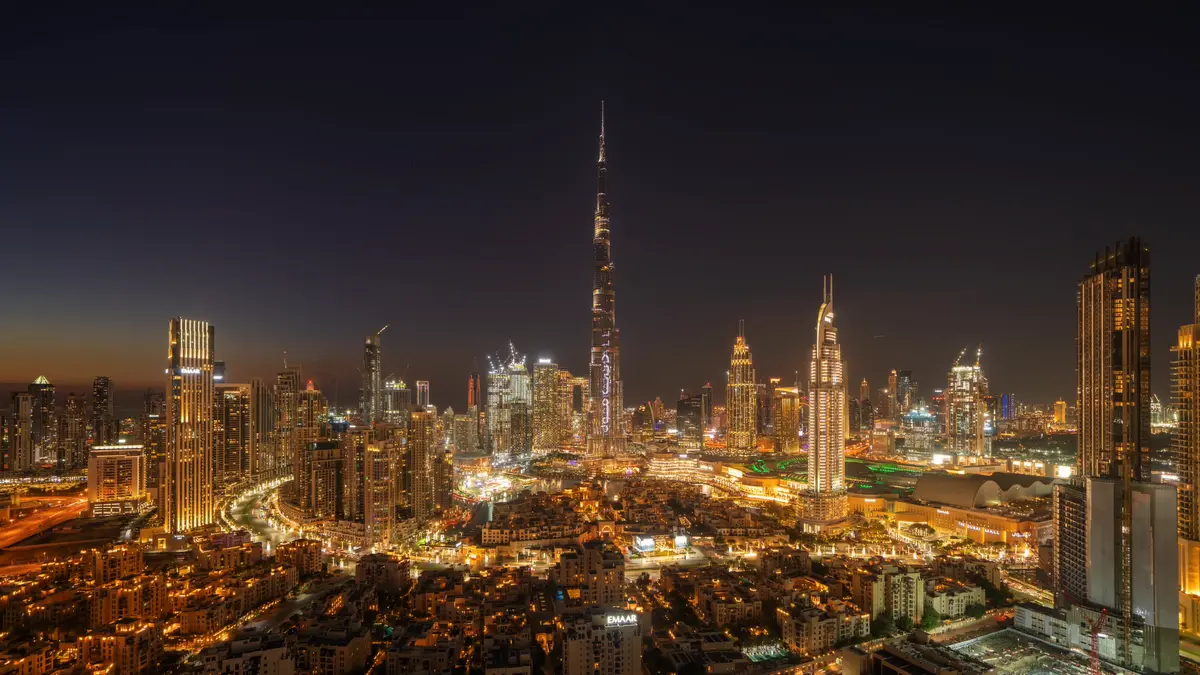
It sounds like a strange question at first. The UAE is not a large country by land or population. It does not have the long historical weight of older nations, and it is not traditionally placed in the same category as global powers. Yet, something about the way the country moves makes people pause and wonder.
Influence is not always about size anymore. It rarely is.
And if you look closely, the UAE has been quietly building a kind of influence that does not depend on geography or population alone. It feels different. Less obvious, maybe, but persistent.
What Does Influence Even Mean Today
A few decades ago, influence meant military strength, population size, or industrial output. Big countries dominated simply because they were big.
Now the rules have shifted.
Influence can come from:
- controlling global conversations
- shaping business environments
- attracting talent from everywhere
- becoming a hub where decisions get made
It is less about how large a country is and more about how connected it is.
And this is where the UAE starts to stand out.
The Geography Advantage That Turned Into Strategy
The UAE sits in a place that almost feels designed for global movement.
Between Europe, Asia, and Africa. Close enough to everything, far enough to be neutral ground.
But geography alone is not enough. Many countries sit in strategic locations and never fully capitalize on it.
The UAE did something different. It built around that location.
Airports that connect almost every major city. Ports that handle global trade. Airlines that turned stopovers into reasons to stay.
At some point, Dubai stopped being just a destination. It became a connector.
And connectors have influence, sometimes more than destinations.
A Business Environment That Attracts the World
There is a reason why entrepreneurs, freelancers, startups, and multinational companies all seem to pass through the UAE at some stage.
It is not perfect, but it is efficient.
Setting up a business is relatively straightforward. Regulations evolve quickly. Free zones offer flexibility. And perhaps most importantly, the system feels responsive.
People come with ideas, and more often than not, they try them here.
That creates something powerful.
Not just economic activity, but a constant flow of experimentation.
When enough people from different countries start building things in one place, that place begins to shape how business itself is done.
That is influence.
The Talent Magnet Effect
Walk through any business district in Dubai or Abu Dhabi and you will hear accents from everywhere.
India. UK. Philippines. Lebanon. Europe. Africa. Central Asia.
It is not just diversity for the sake of it. It is functional diversity.
People bring their skills, their habits, their expectations, and their ways of solving problems.
Over time, this creates a hybrid environment. Something that is not fully Western, not fully Eastern, but a mix of both.
And that mix becomes exportable.
Professionals who spend years in the UAE often carry that experience with them when they move elsewhere. They take a piece of the system with them.
That is a subtle form of influence, but it spreads quietly.
Soft Power Done Differently
Not every country projects influence through politics or military presence.
Some do it through perception.
The UAE has invested heavily in creating an image of:
- safety
- opportunity
- modernity
- openness
Events like global exhibitions, international conferences, sports tournaments, and cultural festivals all contribute to that image.
People visit, experience something smooth and well-organized, and leave with a different perception than they expected.
That shift in perception matters more than it seems.
Because influence often begins with how a place is seen before it is fully understood.
Speed as a Competitive Advantage
One thing that stands out in the UAE is speed.
Decisions happen quickly. Projects move fast. Policies change when needed.
This is not always perfect. Sometimes things feel rushed. Sometimes adjustments happen mid-way.
But compared to slower systems in other parts of the world, this speed creates momentum.
And momentum attracts attention.
Companies prefer environments where things move. Professionals prefer places where progress feels possible.
That creates a loop. Speed attracts activity, and activity reinforces speed.
Tourism That Feeds Into Influence
Tourism is often seen as a separate sector, but in the UAE, it plays a bigger role.
Millions of visitors pass through every year. Some come for business, some for leisure, some just for a few days.
But during that time, they experience:
- infrastructure that works
- services that are consistent
- a mix of cultures in one place
That experience shapes how they talk about the country later.
And word-of-mouth, especially in today’s digital world, carries weight.
Tourism becomes a kind of introduction. For some, it turns into relocation. For others, it becomes business interest.
Either way, it extends the country’s reach beyond its borders.
Technology and Future Positioning
The UAE is really putting itself out there as a country that’s all about the future.
Think about it—all that AI strategies, smart cities, apps for the government, and even going to space. These aren’t just random projects. They’re like a sign of where they’re headed.
Signals that the country is not only participating in the future but trying to shape it.
That matters because influence increasingly belongs to those who define what comes next, not just those who manage what already exists.
The Limits That Still Exist
It would be unrealistic to say there are no challenges.
The UAE still depends heavily on global economic conditions. It is sensitive to regional dynamics. It does not have the population size to create massive internal demand.
There are also ongoing conversations about long-term sustainability, cost of living, and balancing rapid growth with stability.
Influence is not guaranteed. It has to be maintained.
And sometimes, growth brings its own complications.
So, Could It Happen
Maybe the real question isn’t whether the UAE can become a super influential small country.
They’re probably already there, just without making a huge scene about it. They don’t need to be in the news 24/7 because they’re already behind the scenes making big moves, getting people to move there, and basically building a hub where the world’s biggest ideas actually happen.
Influence today is not always loud.
Sometimes it is built through consistency. Through connections. Through being the place where things happen.
The UAE seems to understand that.
And if it continues on this path, it may not just be part of the global system.
It might become one of the places that quietly defines it.