Why the UAE’s Older Neighborhoods Still Matter in a City Obsessed With the Future
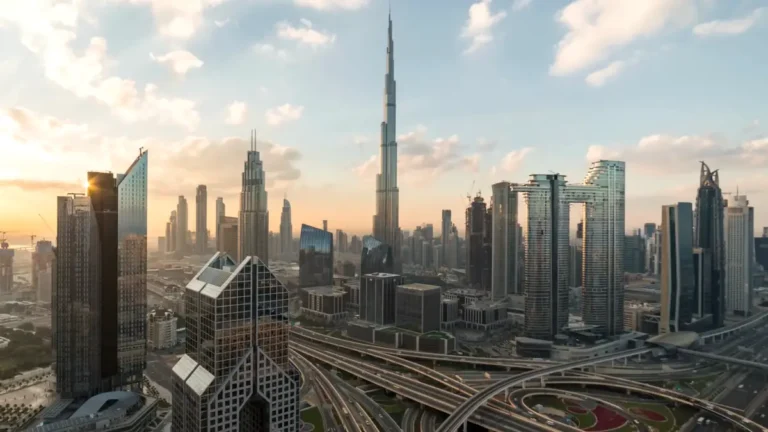
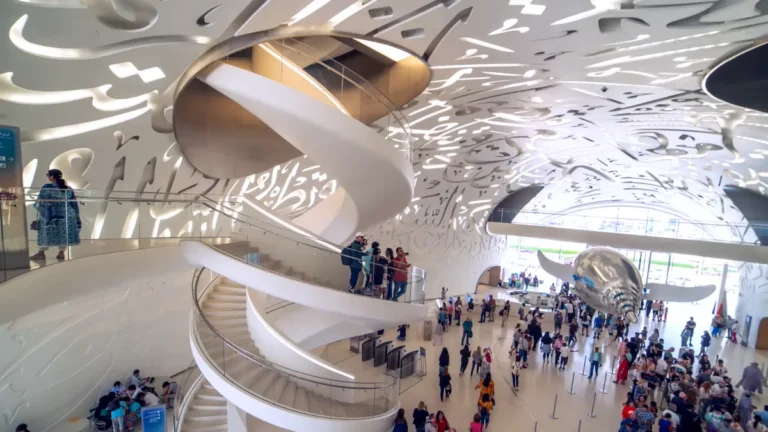
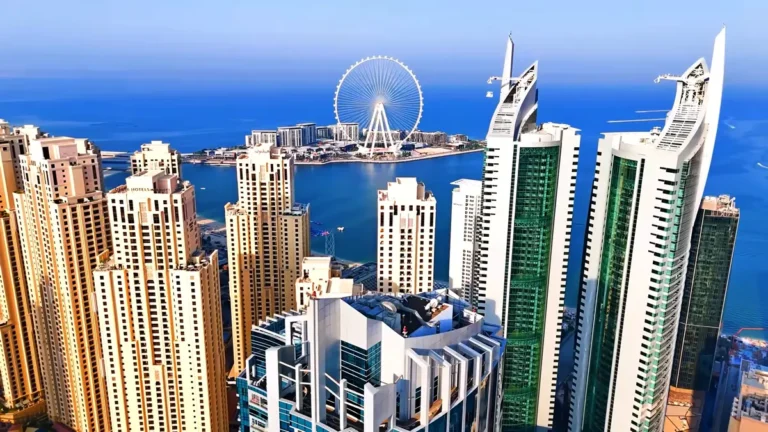
Dubai is often in the spotlight for the spectacular architectural styles that are considered futuristic.
It has glass towers soaring over highways, man-made islands changing the shape of the coastline, projects which are so ambitious that they make you think that a city can have such different appearance to the one that you’re used to.
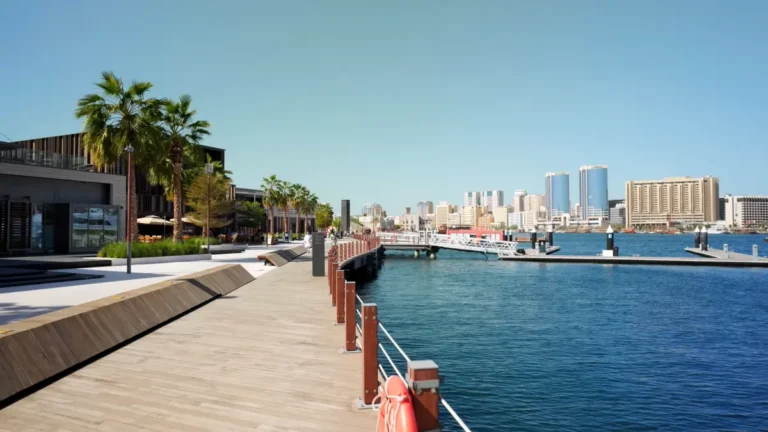
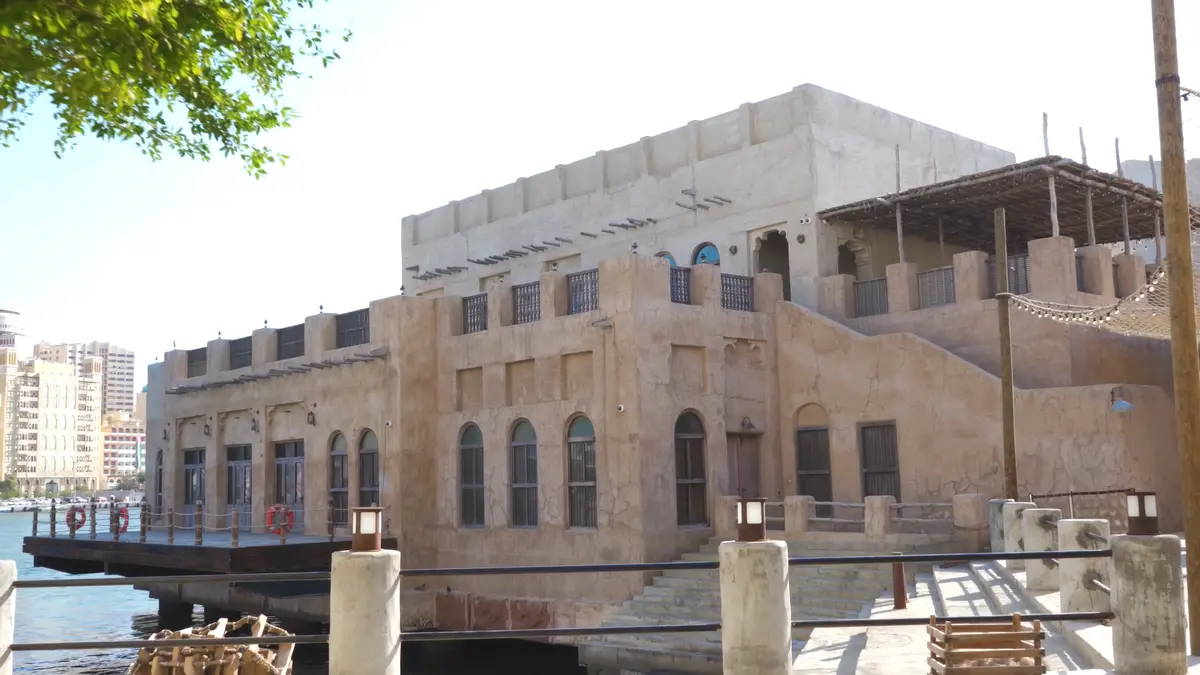
However, in between these contemporary landmarks one can find neighborhoods telling a story of ancient times.
There are places where very narrow streets, besides or in the middle of historic buildings, form winding paths. There are markets where people still sell spices and other goods as well as fabrics and traditional products. Most of all, there are quiet courtyards where the life is so slow in contrast to the city that surrounds them that it is almost a different world.
Such places are living memory that the skyscrapers are an invention of the present day and not a starting point of the history of the Emirates.
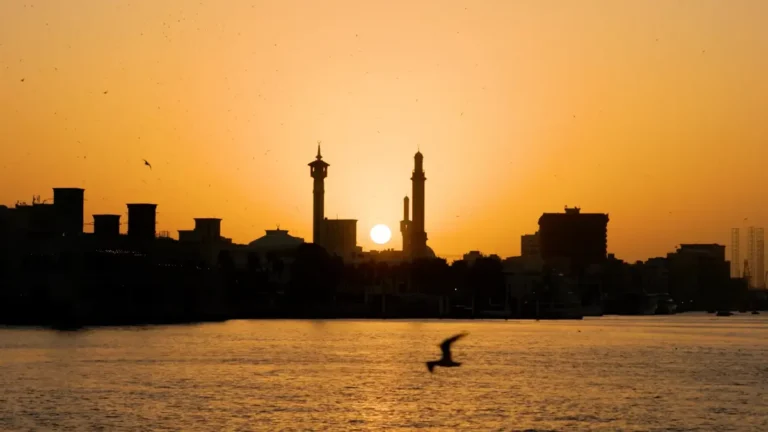
Even before the world attracted tourists and the rise of the financial hubs, the communities along the coasts lived on fishing, trading and diving for pearls. And their buildings were typical of the desert environment-being equipped with wind towers that brought in fresh air, and having semi-open, shaded walkways including other arrangements for minimizing direct sun exposure.
By keeping these areas, we continue to hold on to that past.
They usually reveal to their visitors, quite inadvertently, a facet of the UAE that is at odds with the ultra-modern image portrayed in the ads. The vibe here is more meditative and personal than fast and showy.
The two sides of the country coexist seamlessly.
The contemporary cityscape soaring towards the sky and the tranquil heritage areas connecting the narrative to age-old traditions.