The UAE: A Preview of What’s Next for Cities
You don’t always notice it immediately.
At first, the UAE just feels… efficient. Clean roads. Fast internet. Things working the way they should. But then, after a few days, maybe a few weeks, something slightly different starts to settle in your mind. It’s not just a well-run place. It feels like you’ve stepped a little ahead in time.
Not in a science fiction kind of way. Nothing dramatic. Just small things. Subtle patterns. The way systems connect. The way the city behaves.
And you start wondering quietly, is this what other cities are trying to become?
A City That Moves With Intent
Most cities grow. Slowly, unevenly, sometimes randomly.
The UAE feels different. It feels like it’s being shaped with intention.
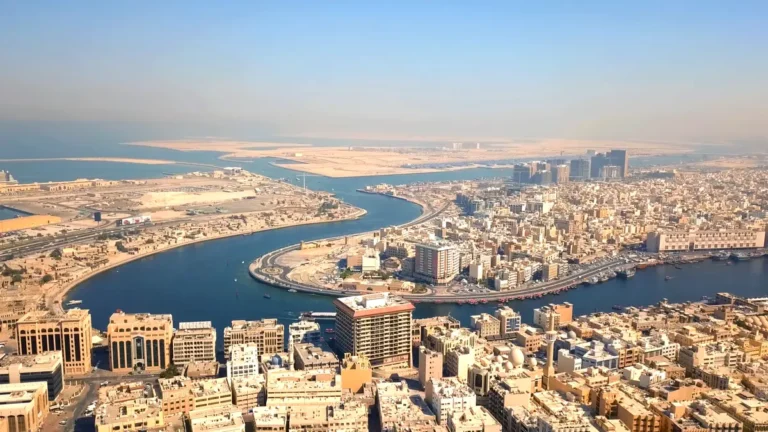
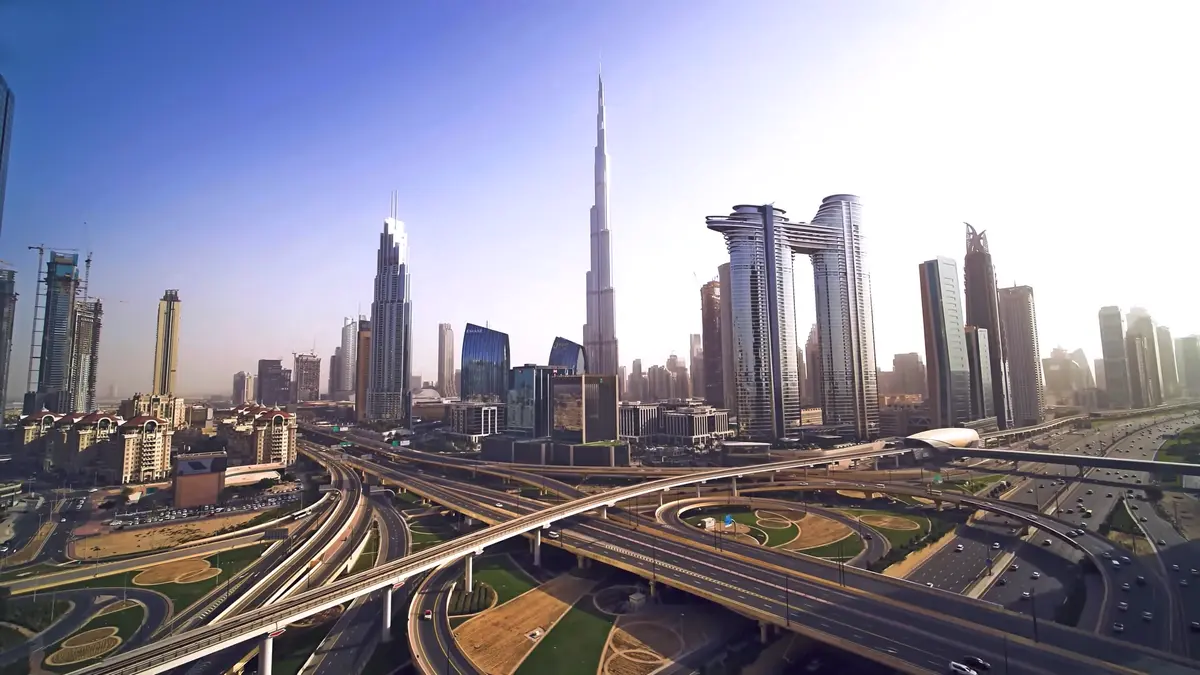
Take Dubai for example. Entire areas appear almost fully formed. Roads, buildings, transport, retail spaces, all planned together instead of added piece by piece over decades.
You don’t get that usual feeling of old and new clashing awkwardly. Here, things tend to fit. Even when something is under construction, it feels like it already belongs to a bigger plan.
It’s not perfect, of course. No city is. But there’s a sense that growth isn’t accidental. It’s directed.
Technology That Blends Into Daily Life
In many places, technology feels like an add-on. Something you choose to use.
In the UAE, it often feels like part of the environment itself.
You pay for parking with an app. Government services are mostly digital. Deliveries happen fast, sometimes surprisingly fast. Even simple things like booking appointments or renewing documents feel streamlined.
You don’t stop and think, wow, this is advanced. You just get used to it. And then when you travel somewhere else, that’s when you notice the difference.
It’s almost like the city removes small frictions before you even realize they exist.
A Population That Keeps Resetting the Culture
This one is harder to explain, but you can feel it if you spend enough time here.
The UAE doesn’t have a fixed cultural rhythm in the same way older cities do. The population is constantly changing. People arrive. People leave. New ideas come in all the time.
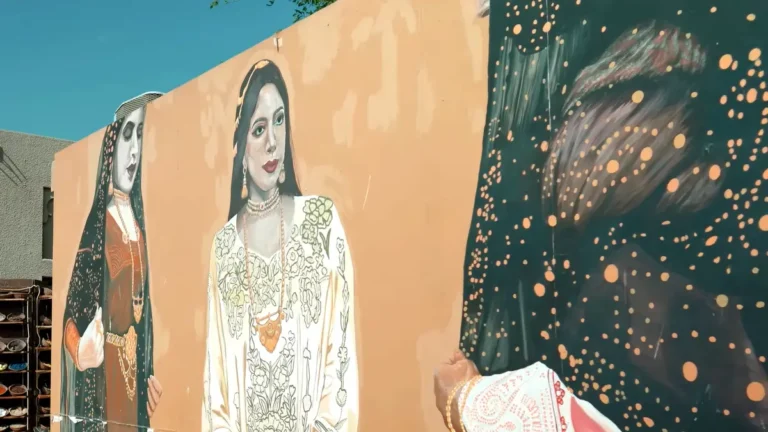
So instead of tradition dominating everything, you get a kind of evolving culture. Flexible. Adaptive.
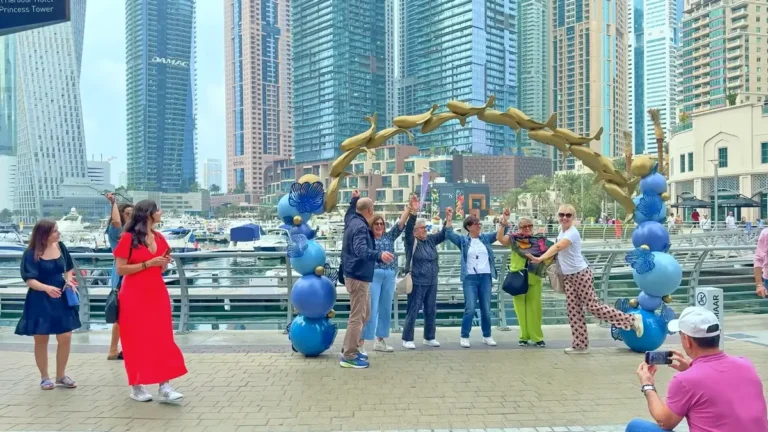
You might hear five different languages in a single elevator ride. You might meet someone who just arrived last week and someone else who has been here for twenty years. Both are part of the same environment.
It creates a strange but interesting effect. The city feels global, but not in a static way. More like it’s continuously updating itself.
Infrastructure That Tries to Stay Ahead
In most cities, infrastructure reacts. A problem appears, then solutions follow.
In the UAE, it often feels like infrastructure is trying to stay one step ahead.
Road expansions happen before congestion becomes unmanageable. New residential areas come with access roads already planned. Airports expand before they feel overwhelmed.
Look at places like Abu Dhabi. The layout feels spacious, almost like it was designed with future growth already in mind.
Of course, challenges still happen. Traffic exists. Construction never really stops. But the overall pattern feels proactive rather than reactive.
A Different Relationship With Space
There’s something else that stands out. Space is treated differently here.
Cities like New York or London often feel compressed. Built over time, adjusted again and again, until space becomes something scarce.
In the UAE, space still feels available. Roads are wider. Parking is easier to find. Residential areas are more spread out.
That changes how people move, how they live, even how they think about distance.
A twenty-minute drive doesn’t feel like a burden. It feels normal.
And because of that, cities expand differently. Not upward only, but outward as well.
Experience Is Part of the Design
One thing that becomes obvious after a while is that cities here are not just built to function. They’re built to be experienced.
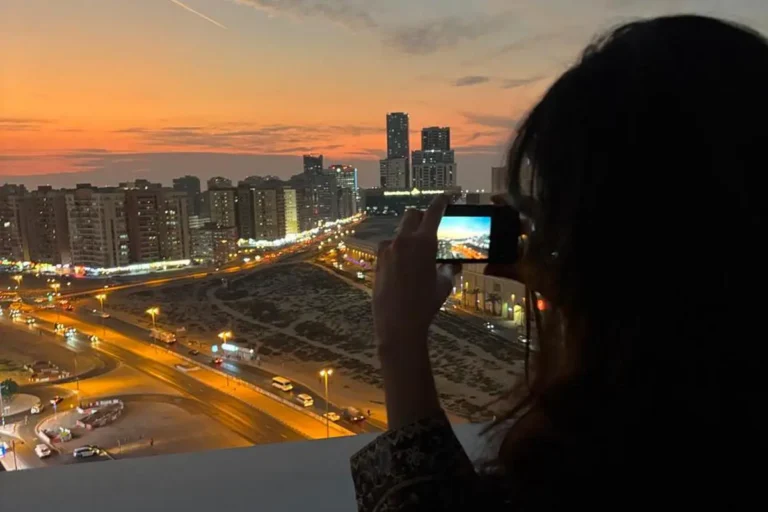
Whether it’s a shopping mall, a waterfront, or even a highway drive at night, there’s attention to how things feel, not just how they work.
Lighting, layout, accessibility, even small details like seating areas or walkways. These are not random decisions.
They’re part of a larger idea. That a city should not only serve people but also engage them.
Sometimes it feels a bit curated. Almost too polished. But at the same time, it creates a certain comfort that people get used to quickly.
Speed of Change
This might be the biggest difference.
Things change fast here.
A place you visited six months ago might look different today. A road might be expanded. A new building might appear. A whole area might feel more developed.
In many parts of the world, change takes years. Here, it feels like it happens in real time.
That speed creates a certain energy. A sense that things are always moving forward, even if you’re not paying attention.
It can be exciting. Sometimes a bit overwhelming. But rarely static.
The Balance Between Reality and Vision
At some point, you start noticing something else.
The UAE is not just building for today. It’s building based on a vision of what cities could become.
Smart city concepts. Sustainable developments. Digital services. Transport systems that aim to reduce friction rather than just handle it.
Not everything works perfectly. Not every idea becomes reality in the way it was imagined.
But the attempt itself is visible.
And that matters.
Because most cities don’t actively try to redesign themselves around the future. They adapt slowly. Carefully. Often reluctantly.
Here, the approach feels more experimental. More open to change.
Final Thoughts On The UAE As A Preview Of The Future
So why does the UAE sometimes feel like a preview of future cities?
Maybe it’s not one thing.
Maybe it’s the combination.
Planned growth. Integrated technology. A constantly shifting population. Infrastructure that tries to stay ahead. A willingness to experiment.
All of it comes together in a way that feels slightly ahead of what many people are used to.
Not dramatically. Not in a way that feels unrealistic.
Just enough to make you pause and think.
This might be where things are heading.
And if that’s true, then the UAE is not just a place people visit or live in.
It’s a place people observe. Quietly. Carefully.
Because sometimes, it feels like the future is already being tested here.