The New Face of Influence: Why Micro-Influencers Are Replacing Celebrity Endorsements in the UAE
From Celebrity to Everyday Creators
There was once a time when influence looked unmistakable. It lived in celebrity faces, blue ticks, and perfectly angled images that were too polished to question and too large to relate to. But that façade has started to collapse. Because across the UAE’s digital landscape, micro-influencers are taking over.
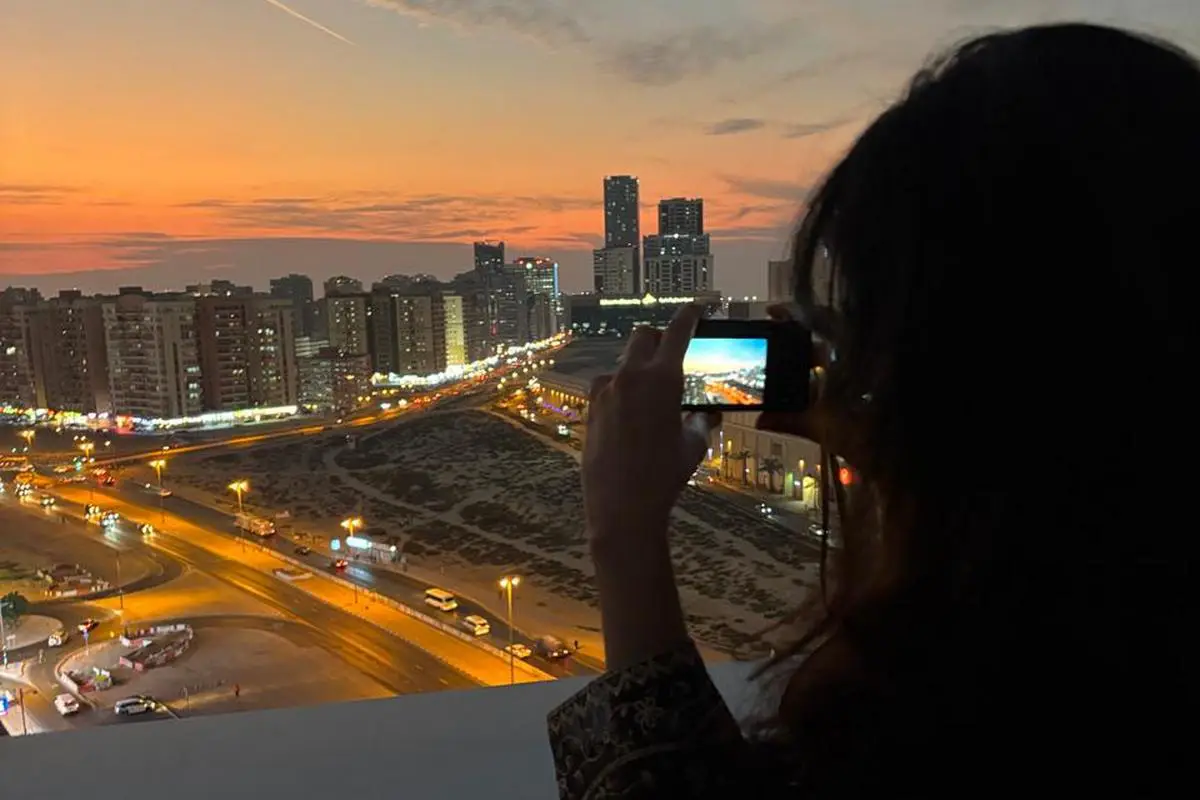
Influence today looks like someone you might actually know. Not a global celebrity on a billboard, but a girl posting Instagram Reels from her apartment in Al Nahda. A foodie reviewing hidden shawarma spots in Sharjah. A fitness trainer filming workout TikToks between shifts. And voices that don’t feel constructed for an audience, but embedded in everyday life.
From Aspiration to Relatability
You see, for a long time, influence was built on distance — the idea that the further someone was from you in their lifestyle and fame, the more aspirational they became. Influence was a performance of perfection, and people were expected to admire it from afar.
But social media has steadily dismantled that distance. Audiences no longer want to be captivated by something impressive; they want to understand it, relate to it, and believe in it. And that is where the UAE’s micro-influencers have found their strength: not in celebrity status, but proximity. They are bridging the gap between what people watch online and what they actually experience offline. Therefore, recommendations feel more genuine when they come from someone who moves through the same malls in Dubai, eats at the same food courts, and spends within the same budget as UAE residents.
Why Brands Are Embracing Micro-Influencers
Brands in the UAE have also started to reflect this significant shift. Content reach still matters, but it no longer guarantees attention… and attention no longer guarantees trust.
According to the Influencer Marketing Benchmark Report 2026, 52.83% of marketers plan to increase or begin working with micro-influencers, reflecting a broader move towards creators with smaller but more engaged audiences. After all, a million views that are quickly forgotten can’t compete with a smaller group of viewers who actually pause, react, and have faith in what they’re seeing.
The Power of Many Smaller Voices
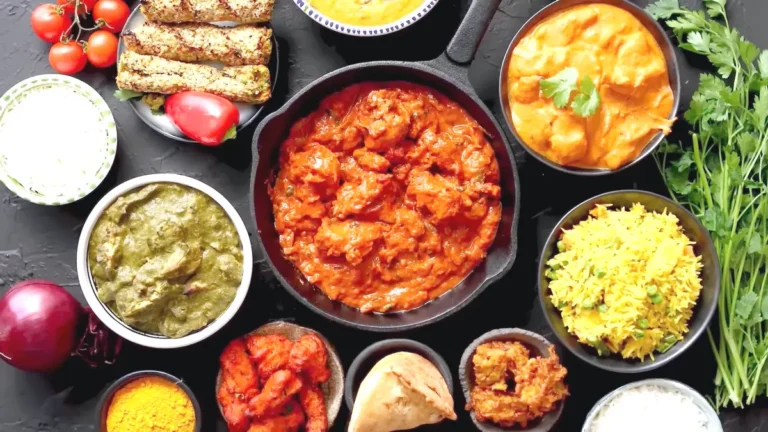
That’s why campaigns are no longer built around a single big name, but woven across multiple micro-influencers, each reinforcing the same message. Food delivery platforms such as Talabat regularly collaborate with local TikTok food creators to showcase limited-time offers and trending menu items, while popular beauty brands such as Huda Beauty frequently work with a mix of regional beauty creators to promote product launches and makeup tutorials.
Beyond Marketing: How Trust Is Built
However, the deeper change isn’t just happening in marketing. It’s happening in how people form belief itself.
Trust today is rarely immediate… it builds over time. When the same idea appears again and again — through different people, in different settings, with different tones — it begins to feel less like promotion and more like validation. We are reassured that something is worth noticing because it keeps returning. In that sense, influence is no longer about one voice breaking through the noise, but many voices making the same idea impossible to ignore.
A New Definition of Influence
So, in a space where every post competes for attention, influence is no longer measured simply by visibility. It is measured by credibility. Because the creators shaping conversations in the UAE today are not the loudest or the most famous, but the ones who share experiences and build connections that audiences resonate with day to day. And that is what leaves the real lasting impression.