China and the UAE: The Partnership Quietly Reshaping Trade
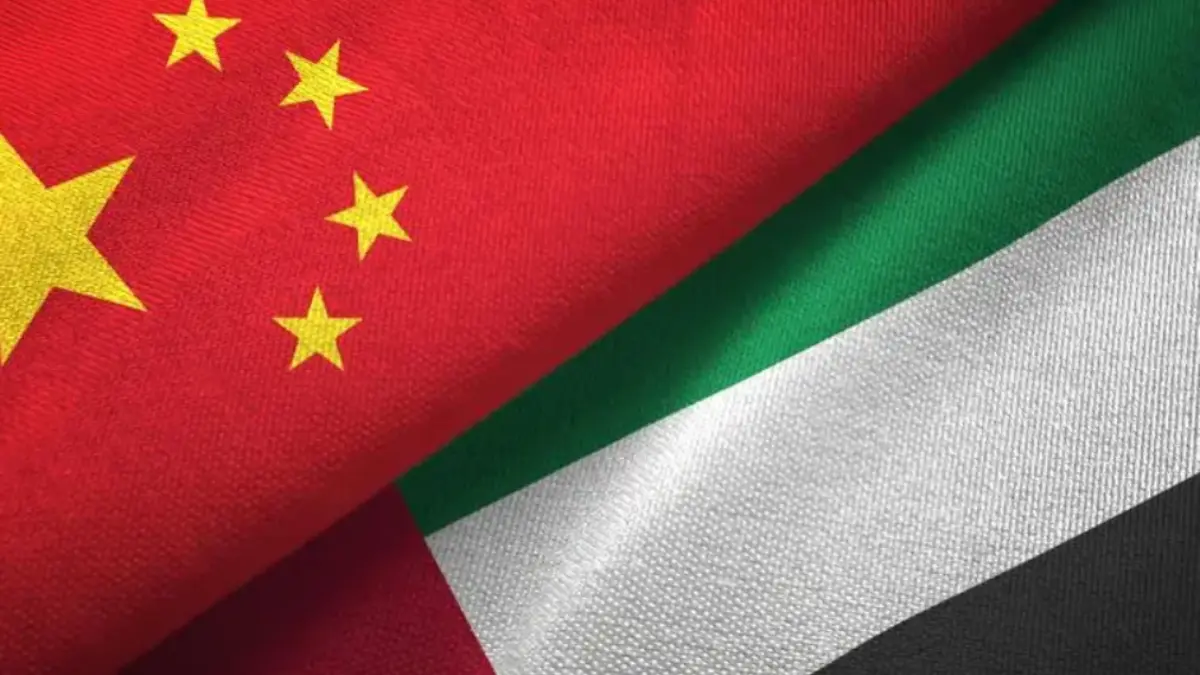
Something interesting is happening between China and the UAE partnership. Quietly. Without too much noise.
Not the kind of thing most people notice day to day while sitting in Dubai traffic or ordering products online that somehow arrive in 24 hours. But underneath all of that, trade patterns are shifting. Fast.
The UAE is no longer just a rich Gulf country importing electronics and exporting oil. China is no longer only “the world’s factory.” The relationship between the two has become much deeper than that. More practical too.
And honestly, this shift is changing how business works across the Gulf region.
Not through dramatic speeches or political headlines. Through ports. Warehouses. Digital payments. Shipping routes. Data centers. Logistics parks. E-commerce. AI infrastructure. Supply chains.
Real stuff.
The Trade Numbers Are Becoming Too Big to Ignore
A few years ago, people still talked about China-UAE trade like it was “growing potential.”
Now? It’s already massive.
Non-oil trade between the UAE and China crossed more than $111 billion in 2025, which surprised even people inside the trade sector. The growth was sharp, and it didn’t happen by accident.
China is now the UAE’s largest trading partner. And the UAE has quietly become China’s main commercial gateway into the Middle East and parts of Africa.
That matters more than people think.
Because when global companies look at the map, they increasingly see Dubai not as a local market but as a distribution machine. A place where products enter, get processed, re-exported, and move again.
About 60% of Chinese trade flowing into the region now moves through UAE ports before heading elsewhere.
That’s not small trade anymore. That’s infrastructure influence.
Dubai Became Useful to China in a Very Practical Way
This partnership works because both countries solve problems for each other.
China needs stable global trade corridors. The UAE offers exactly that.
The UAE sits in one of the most strategic logistics positions on earth. Within a few hours, businesses can access Asia, Africa, and Europe. Ports work efficiently. Customs systems are modern. Free zones move fast compared to many other countries.
And China loves efficiency.
A lot of Western commentary still frames the Gulf mainly through energy. But that view is outdated now. The UAE’s real advantage today is movement.
Movement of goods.
Movement of capital.
Movement of people.
Movement of technology.
Even global supply chain discussions have started shifting toward the UAE because companies want alternatives and backup routes after years of disruptions worldwide.
That’s why Chinese businesses keep expanding here.
Not because Dubai is trendy on Instagram. Because it works.
This Is Bigger Than Oil Now
People still assume China’s relationship with the Gulf is mainly about oil and energy.
That’s only part of the story now.
What’s changing in 2026 is the amount of cooperation happening in technology, AI, renewable energy, logistics, e-commerce, and manufacturing.
Recently, the UAE and China signed 24 new agreements covering sectors like clean energy, advanced technology, agriculture, sustainability, health sciences, and investment.
That’s a sign of where things are heading.
The UAE wants to become a serious global business platform, not just a regional economy. China wants reliable international partners that can help expand trade access across multiple continents.
The goals fit together naturally.
And honestly, many Gulf businesses are adapting to this faster than people realize.
The Real Story Is Happening in Logistics
If you ask someone working in shipping, customs, freight forwarding, warehousing, or port operations, they’ll tell you something simple:
The volume is exploding.
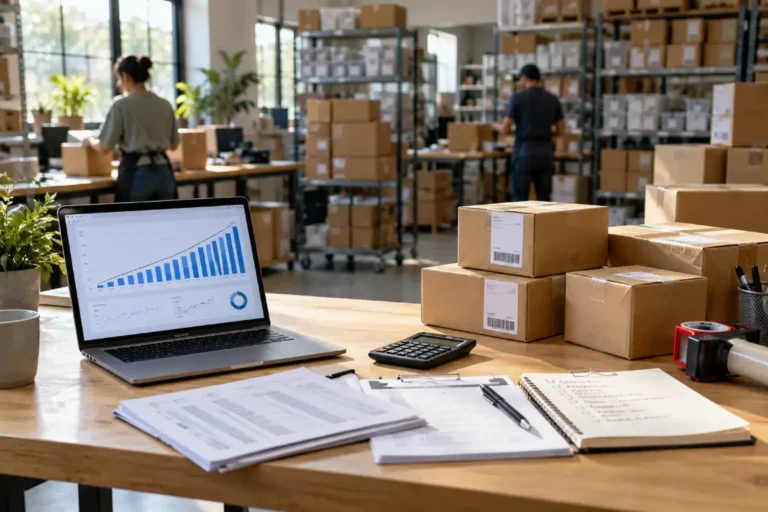
More Chinese products are moving through the UAE than ever before. Electronics, EV components, solar equipment, machinery, industrial tools, smart devices, consumer products. Everything.
But it’s not just physical goods anymore.
Now the focus is also on digital trade systems.
Last year, Abu Dhabi and Shanghai started developing a “Trusted Digital Trade Corridor” designed to make cross-border trade documentation faster and more transparent using blockchain-enabled systems.
Sounds technical. But the real meaning is simple.
Less paperwork.
Less delay.
Less friction.
That’s the future of trade now.
The countries that reduce friction win.
And the UAE understands that better than many larger economies.
Chinese Investment Is Becoming More Visible Across the UAE
Five years ago, many Chinese investments in the UAE stayed mostly behind the scenes.
Now you can actually see the footprint growing.
Industrial zones.
Construction projects.
Green technology.
AgriTech.
Tourism infrastructure.
Smart logistics systems.
Even emirates outside Dubai and Abu Dhabi are actively targeting Chinese investors.
Ras Al Khaimah has recently been pushing hard to attract investment from China into real estate, digital sectors, and green industries.
At the same time, Chinese companies are helping build large-scale infrastructure tied to tourism and logistics expansion.
And this trend probably continues for years.
Because the UAE offers something investors love:
speed.
Compared to many countries buried under slow approvals and endless bureaucracy, the UAE moves quickly when it sees economic opportunity.
That’s one reason Chinese firms feel comfortable scaling operations here.
The UAE Is Playing Multiple Sides Smartly
One reason the UAE has become such a powerful trade hub is because it doesn’t rely on one global partner only.
This part is important.
The UAE is building strong economic relationships with China, but also with Europe, the United States, India, and other Asian markets at the same time.
That flexibility is giving the country an advantage.
While some regions are becoming politically divided and economically fragmented, the UAE is trying to position itself as a connector economy.
And from a business perspective, that’s smart.
Very smart.
The world is becoming less predictable. Companies want stable hubs that allow access to multiple markets without constant disruption.
Dubai fits that role almost perfectly right now.
You can already see global firms adjusting around that reality.
A Quiet Shift Is Happening in Global Trade Routes
This is probably the most important part.
Trade is no longer centered around one single dominant route anymore.
The old model looked simpler:
China manufactures.
The West buys.
Shipping follows predictable corridors.
Now supply chains are spreading out. Businesses want backup systems. Regional hubs matter more.
That creates opportunity for the UAE.
And honestly, the country seems fully aware of it.
The investments happening now in ports, AI, logistics, aviation, customs digitization, and infrastructure are not random projects. They are long-term positioning.
The UAE wants to become impossible to ignore in global commerce.
Not necessarily the biggest economy.
Not the most populated.
But one of the most connected.
That’s different.
And China’s growing relationship with the UAE is accelerating that transformation.
This Partnership Is Becoming More About the Future Than the Present
What makes this relationship interesting is that it doesn’t feel temporary.
It feels structural.
The UAE is betting heavily on becoming a future-facing economy built around trade, technology, and global connectivity. China is looking for reliable international commercial partners in a world where supply chains are getting more complicated.
So the relationship keeps deepening because both sides keep finding practical value in it.
Simple as that.
And while people online stay distracted by headlines, another reality keeps building quietly in the background:
Containers moving through ports.
New trade agreements.
Digital infrastructure.
Investment flows.
Business expansion.
That’s usually how real economic change happens anyway.
Not loudly.
Just steadily.
Then suddenly everybody notices.