What Makes Everyday Life in the UAE Feel International
Some cities like to call themselves global. You see it in brochures, airport slogans, glossy campaigns. It’s almost expected at this point. But the UAE feels different. Not louder, just more lived-in. Less like a statement, more like something you notice halfway through your day.
It sneaks up on you.
You’re in a meeting, maybe nothing special on the surface. A discussion about timelines or budgets. Then it hits you—the room isn’t just diverse, it’s layered. Someone’s speaking with a Kenyan rhythm, another with a Japanese precision, someone else casually switching between Portuguese and English without thinking twice. Nobody pauses to acknowledge it. That’s the thing. It’s normal.
A Workplace That Feels Like a Crossroads
In many places, diversity exists on paper. In the UAE, it shows up in conversations.
A typical office meeting isn’t just about work—it’s shaped by how people think, negotiate, and interpret situations. Cultural habits slip in quietly. Some people speak directly, others circle an idea before landing it. Some prioritize structure, others flexibility.
And instead of clashing, these differences often blend.
You’ll see someone explain a concept one way, and another person reframe it entirely based on their own background. Not better, not worse—just different. Over time, teams start borrowing from each other. Communication evolves. It becomes… hybrid.
Even something as small as a coffee break tells a story. One person brings dates from home, another shares a snack from Southeast Asia, someone else insists you try something homemade. You don’t just learn about cultures—you taste them, casually, without ceremony.
Lunch Tables That Tell Bigger Stories
If you really want to understand how international life in the UAE feels, sit at a lunch table.
Not a fancy one. Just a regular weekday lunch.
You’ll find dishes from Morocco sitting next to Indian curries, maybe something Peruvian, maybe something Filipino. People don’t just eat—they explain. Where it’s from, how it’s made, why it matters.
And it’s not performative. Nobody’s trying to “show” their culture. It just comes with them.
Over time, your own habits start shifting. You begin craving foods you didn’t grow up with. You learn how to pronounce things you once stumbled over. You recognize flavors before you even ask what they are.
It’s a quiet kind of education.
Classrooms Without a Single Perspective
Walk into a classroom in the UAE and you’ll notice something else.
There’s no single cultural lens shaping the room.
Students grow up hearing different accents, different stories, different assumptions about the world. A discussion about history, for example, doesn’t stay one-dimensional for long. Someone always adds another angle. Another version. Another memory.
And teachers—well, they adapt too. Lessons become more flexible, more inclusive, sometimes more complex.
The result?
Students don’t just learn subjects. They learn perspective.
And that sticks with them.
Public Spaces That Feel Shared
It’s not just workplaces or schools. Step outside and you’ll see it again.
Parks, cafés, shopping areas—these aren’t spaces dominated by one group. They feel shared, almost negotiated in real time.
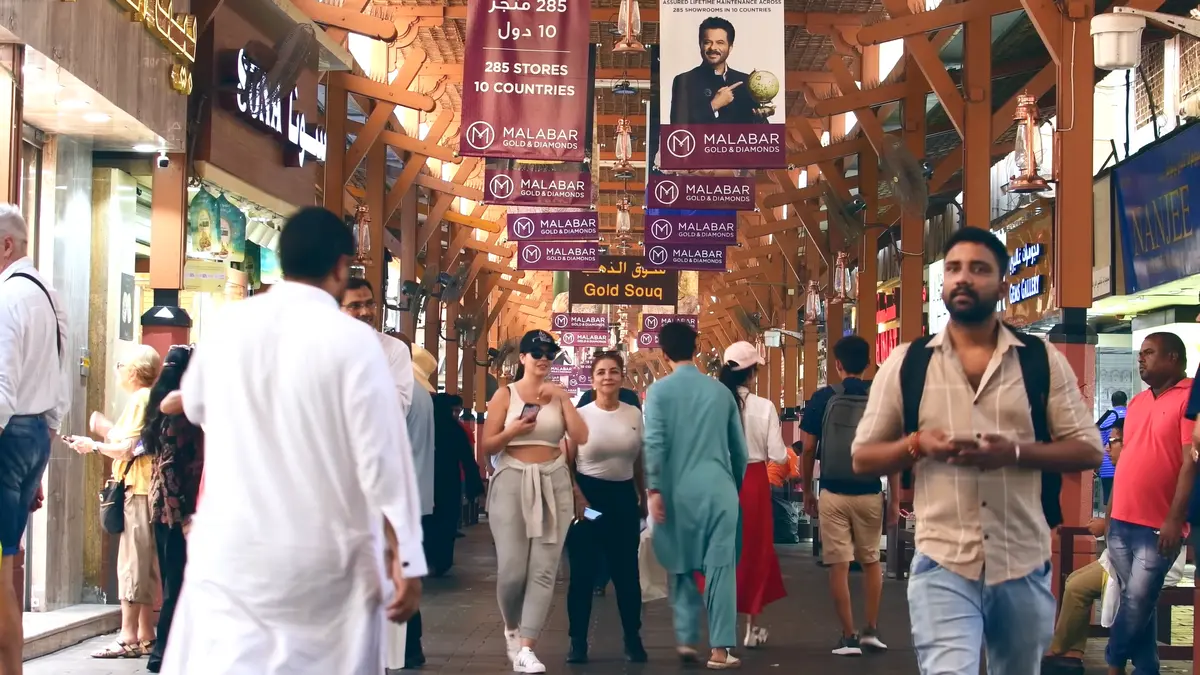
You’ll hear multiple languages within a few minutes. Families from completely different backgrounds sitting next to each other, each carrying their own version of “home” into the same space.
And yet, it works.
There’s an unspoken understanding that everyone belongs, but no one fully owns the space. That balance creates something interesting—a kind of neutral ground where cultures coexist without needing to compete.
Traditions That Travel With People
One of the more subtle things about life in the UAE is how people hold onto their traditions.
They don’t leave them behind.
Festivals, food, clothing, small rituals—they all come along. But they don’t remain untouched either. They adjust. They adapt.
Someone celebrates a holiday differently because they’re away from home. And then there is another person who blends two traditions into one. Over time, these small adjustments then create entirely new versions of familiar customs.
It’s not about losing identity. It’s about reshaping it.
And when you’re surrounded by others doing the same thing, it starts to feel natural.
The Shift That Happens Over Time
At first, all of this feels new.
Then it becomes routine.
You stop noticing the differences because they stop feeling like differences. You don’t think twice about hearing five languages in a day. You don’t find it unusual that your closest friends come from completely different parts of the world.
Something changes internally.
You start seeing things from multiple angles without trying. You become more patient with unfamiliar ways of thinking. You ask more questions. You assume less.
It’s not something you consciously learn. It just… happens.
An International Mindset That Stays With You
And here’s the part that lingers.
People who spend enough time in the UAE often carry this perspective with them wherever they go next.
They become more adaptable. More aware. More open to complexity.
Because once you’ve lived in a place where diversity isn’t an event but a daily rhythm, it’s hard to go back to seeing the world in a single frame.
You start expecting variety. You start appreciating it.
Not a Concept—A Daily Reality
What makes everyday life in the UAE feel international isn’t a policy or a marketing idea.
It’s repetition.
The same small interactions, happening again and again:
A conversation.
A shared meal.
A different perspective.
A moment of adjustment.
Nothing dramatic. Nothing staged.
Just people, from different parts of the world, figuring things out together in the same space.
And maybe that’s the real difference.
In some places, being “international” is something you notice.
In the UAE, it’s something you live—often without realizing it until you stop and think about it.