How the UAE Became One of the World’s Most International Societies
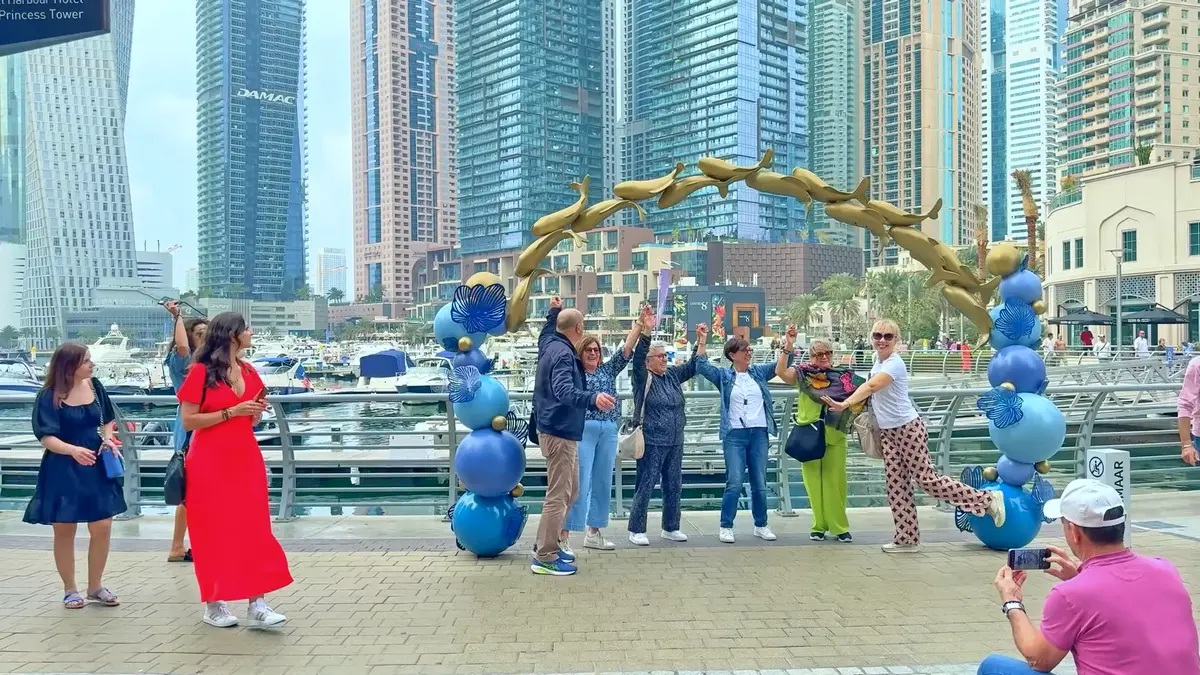
There’s something slightly unusual about the way diversity exists in the UAE.
In most parts of the world, it builds slowly. Generations pass, communities shift, cultures blend and almost quietly, almost invisibly. You don’t notice it happening until you look back and realize things have changed.
But here? It feels… accelerated.
Like someone pressed fast forward.
A Transformation That Didn’t Take Centuries
In many global cities, diversity is the result of long, layered history. Trade routes, colonial periods, industrial growth and each era leaves behind people, language, and influence.
The UAE didn’t follow that slow pattern.
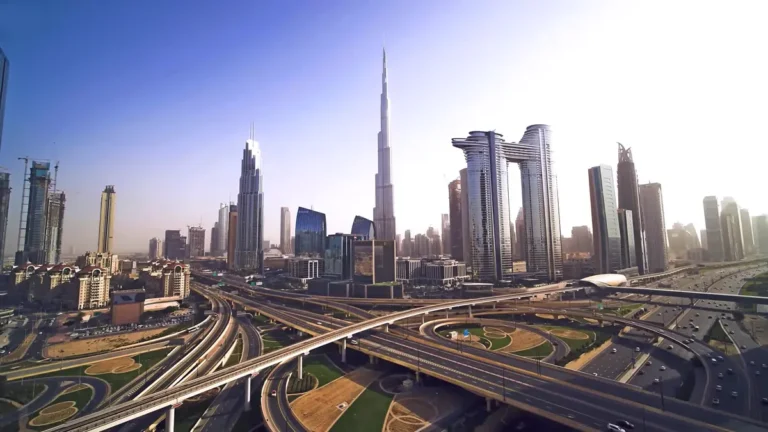
Its transformation was rapid, almost compressed into a few decades.
As the country began expanding economically and especially in sectors like construction, aviation, trade, tourism, and technology—it attracted talent from everywhere. Not just one region. Not just one skill group. Everywhere.
Engineers from South Asia. Finance professionals from Europe. Entrepreneurs from the Middle East. Hospitality workers from Southeast Asia. Creatives, technicians, educators, consultants and each arriving with their own story, their own habits, their own way of seeing the world.
And instead of staying separate, these cultures didn’t just coexist.
They overlapped.
Workplaces That Feel Like Miniature Worlds
Step into almost any office in the UAE and you’ll notice it immediately.
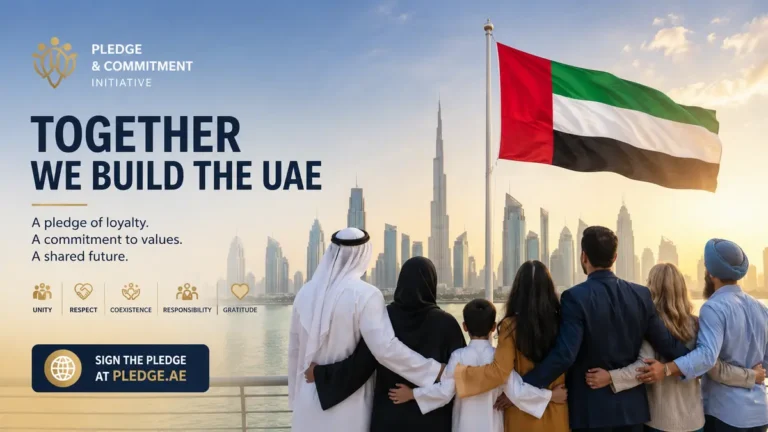
A meeting might include someone from India, someone from Lebanon, someone from the UK, someone from the Philippines—and that’s just a normal Tuesday.
What’s interesting isn’t just the diversity itself. It’s how quickly it becomes unremarkable.
Conversations shift between accents, references, and perspectives without anyone stopping to explain. One person mentions a festival from their home country, another relates it to something similar from theirs, and suddenly the discussion becomes something shared.
Over time, this creates a kind of informal cultural literacy.
You don’t “study” other cultures but you absorb them.
Language Without Borders
Language plays a quiet but powerful role in this.
English often becomes the common ground, but it’s rarely the only language present. Walk through a street, a mall, or even a construction site, and you’ll hear a mix—Arabic, Hindi, Urdu, Tagalog, Russian, French, sometimes all within a few minutes.
It might sound chaotic at first, but there’s a rhythm to it.
People switch effortlessly depending on who they’re speaking to. A sentence might even carry words from two or three languages without anyone noticing.
This kind of linguistic flexibility changes how people think. It makes communication less rigid, more adaptive.
You start understanding meaning beyond just words.
Food as a Shared Experience
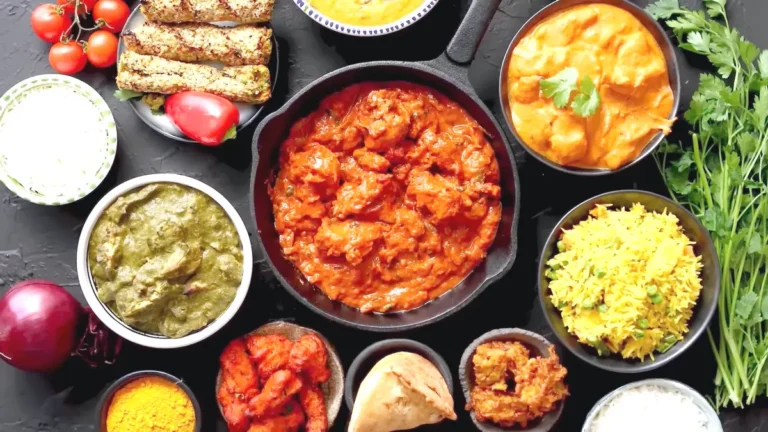
If there’s one place where this international mix becomes most visible, it’s food.
The UAE doesn’t just offer global cuisine, it lives inside it.
You can have breakfast that leans Middle Eastern, lunch inspired by South Asia, and dinner somewhere between European and East Asian influences. And it doesn’t feel forced. It feels… normal.
But it’s not just about restaurants.
In offices, people bring dishes from home. During gatherings, meals become a kind of cultural exchange. Someone tries something new, asks about it, maybe even learns how it’s made.
Food becomes conversation. Conversation becomes understanding.
And slowly, unfamiliar things stop feeling unfamiliar.
Everyday Moments That Redefine “Normal”
What really shapes this international society isn’t big events or policies.
It’s small, everyday moments.
A conversation in an elevator. A shared taxi ride. A casual chat at a grocery store. A group of friends who are planning for a weekend, and each one of them suggesting something influenced by their own background. These interactions happen constantly. And over time, they reshape the expectations.
You stop assuming that the people will think the same way as you do. You become more open to different routines, different beliefs, different ways of solving problems.
That openness becomes second nature.
From Diversity to Daily Life
At some point, something shifts.
Diversity stops feeling like a feature of the place and starts feeling like the default setting.
You don’t notice it as something “special” anymore.
It’s just how things are.
You expect your workplace to include multiple nationalities. You expect your social circle to be mixed. You expect conversations to carry global references.
Even humor changes—what’s funny, what’s relatable, what connects people.
This is where the idea of a “global community” stops being theoretical.
It becomes something you live inside.
Adapting to Daily Life, Without Losing Identity
Another interesting fact of life in the UAE is that while different cultures mix, and they don’t completely dissolve. People adapt to the UAE norms but they also hold onto the parts of who they originally are.
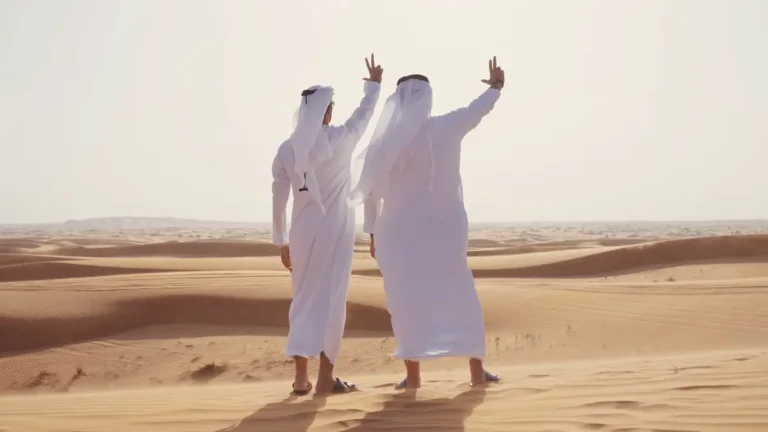
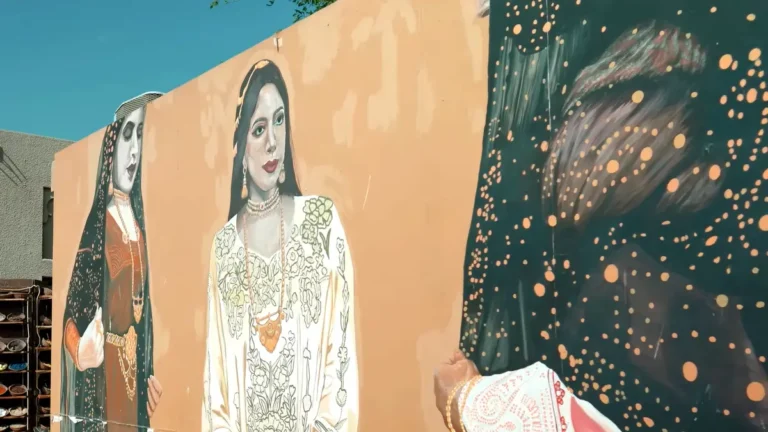
You get to see the traditional clothing alongside the modern fashion. Cultural celebrations continue, sometimes shared with others, sometimes kept within communities.
There’s a kind of balance.
You learn from others, adjust to a shared environment, but still carry your own identity forward.
And maybe that’s what makes the system work.
It’s not about becoming the same.
It’s about learning how to exist together without needing to.
A Different Kind of Globalization
In the UAE, globalization isn’t some abstract idea you just read about or a number in a report. It’s something you experience every day.
It’s not some far-off idea or theory. It’s happening everywhere in business deals, friendships, and the flow of the ideas move across the country. You can watch how a concept starts somewhere else, gets changed to fit a new place, and then comes back feeling fresh and familiar to everyone. This ongoing exchange creates a unique blend of cultures, making the world feel smaller and more connected than before.
Here, nothing stays unfamiliar for too long.
Where It All Leads
So how did the UAE become one of the world’s most international societies?
Not slowly. Not traditionally.
But through rapid growth, open opportunity, and a continuous flow of people bringing their worlds with them.
And then something else happened.
Those worlds didn’t stay separate.
They blended into daily life.
Final Thoughts
At first, the diversity can feel overwhelming.
Then it becomes interesting.
Then it becomes familiar.
And eventually, you stop noticing it altogether—because it’s no longer something around you.
It’s something you’re part of.