Why Food Might Be the UAE’s Most Powerful Cultural Connector
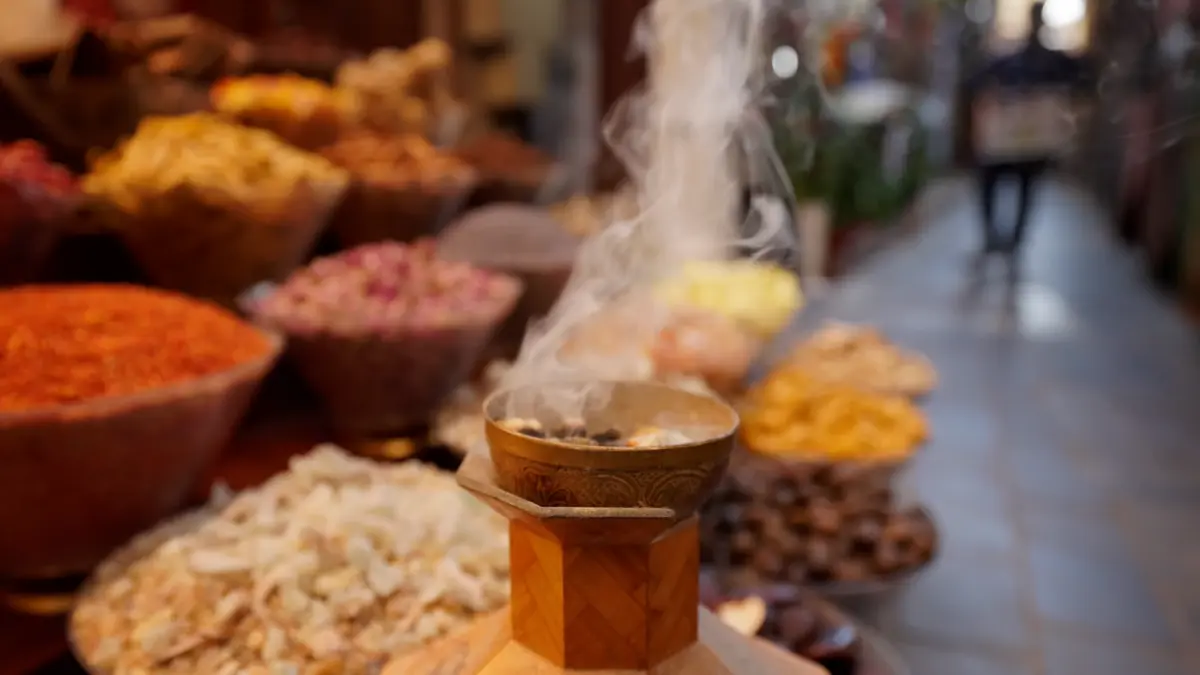
Walk into almost any neighborhood in the UAE and you will notice something before anything else. The smell. Spices drifting from a small cafeteria. Fresh bread being pulled out of an oven. Grilled meat somewhere in the background. It hits you before the skyline does, before the traffic, before the pace of the city.
And then it clicks. This place is not just diverse on paper. It is diverse on a plate.
The UAE brings together people from hundreds of nationalities, all carrying their own habits, routines, and identities. But language can be a barrier. Culture can feel distant. Social circles can stay closed. Food, though, has a strange way of slipping past all of that. It invites, it softens, it connects.
Maybe that is why, in a place built on movement and change, food ends up doing something deeper than just feeding people.
A Table Where Everyone Already Belongs
There is something about sharing a meal that removes formality.
You could have two people from completely different backgrounds sitting at the same table. They might not share the same language. Their lifestyles could be worlds apart. But once the food arrives, something shifts.
They point. They smile. They offer a bite. They ask simple questions. Conversations start, even if they are basic at first.
In the UAE, this happens every day without anyone really noticing. Cafeterias, office lunch breaks, roadside eateries, weekend gatherings. Food becomes the starting point, not the barrier.
It is not planned. It just happens.
The Quiet Power of Everyday Cafeterias
Forget fine dining for a moment. The real story is often in the small places.
Those corner cafeterias you pass by without thinking much. Plastic chairs. Simple menus. No big branding. But inside, you will find a mix of people that would rarely cross paths elsewhere.
A delivery rider eating next to an office worker. A student sharing a table with a technician. Different accents, different routines, same plate of food.
These places do not try to be cultural hubs, but they become exactly that.
And what is interesting is how people slowly adapt to each other’s food habits. Someone tries a new dish because the person next to them recommended it. Another learns how to eat something differently. Over time, these small moments build familiarity.
It is subtle, but it adds up.
Food as a First Introduction to Culture
For many people arriving in the UAE, food becomes their first real interaction with another culture. Not through books. Not through formal events. But through something simple like trying a new dish during lunch. A plate of biryani. A shawarma wrap. A Filipino breakfast. An Emirati dessert.
Each dish carries a story. The ingredients, preparation methods, and the flavors are all shaped by history and geography. And even if someone does not fully understand that story, they experience a part of it.
Curiosity follows naturally.
“Where is this from?”
“How is this made?”
“Do you eat this every day?”
Those small questions open doors.
The Blending of Flavors
Something else happens in the UAE that you do not always see in other places. Cuisines begin to blend. Restaurants adapt dishes to suit a wider audience. Spices are adjusted. Portions change. New combinations appear. You might find a traditional dish with a slight twist influenced by another culture. Or a menu that mixes completely different cuisines in one place.
At first, it seems like a business decision. But over time, it reflects something deeper. People are not just preserving their food traditions. They are reshaping them together with others. The result is a kind of shared culinary space where no single culture dominates all alone, yet all are present.
Festivals, Gatherings, and Shared Meals
Food has a way of taking center stage during certain seasons, but nowhere is that more obvious than during Ramadan. There’s something truly special about the meal at Iftar table. It’s a place where the world will slow down and people from all walks of life pull up a chair and share the meal together.
It is not unusual to see invitations extended beyond close circles. Food is prepared, shared, and passed around. The atmosphere feels open.
But even outside of Ramadan, gatherings often revolve around meals. Celebrations, weekend meetups, workplace events. Food is rarely missing. It becomes a common language in situations where everything else might feel unfamiliar.
Street Food and Accessibility
One reason food connects so effectively in the UAE is accessibility. You do not need to go to a high-end restaurant to experience diversity. It is available at every level. Street food, small cafeterias, food courts, mid-range restaurants, all offer a wide range of cuisines. This makes cultural exchange through food something that happens daily, not occasionally. Someone can try something new without planning for it. That ease matters. When exposure becomes part of routine life, it stops feeling like an effort and starts feeling natural.
Food and Memory
Food also carries memory. People who move to the UAE often bring their food habits with them. Recipes from home. Cooking styles passed down through generations. Ingredients that remind them of where they came from. Sharing that food with others becomes a way of sharing a part of their identity.
At the same time, people begin to form new memories here. A favorite shawarma place. A late-night tea spot. There may be something that they never expected to like but now it is order regularly. Over time, these experiences eventually blend. Old memories and new ones start to coexist side by side.
Food becomes a bridge between people who came from somewhere and now they are in the UAE.
More Than Just Eating
It would be easy to say that food connects people because everyone needs to eat. But that feels too simple. In the UAE, food does something more layered. It creates small moments of interaction in a fast-moving environment. It introduces people to cultures they might never actively seek out. It allows traditions to be shared without explanation. It also softens differences.
In a place where people come and go, where backgrounds vary widely, and where daily life moves quickly, food offers something steady.
Something familiar.
Something shared.
A Connector That Works Without Trying
The interesting thing is that none of this is forced. There are no rules telling people to connect through food. There’s no rigid script or formal structure to follow here. It just happens quietly, naturally, in the background of everything else. Maybe that’s exactly why it’s so effective and it never feels like an effort.
It just feels like eating.
Final Thoughts On Food As Cultural Connector
The UAE is often described through its buildings, its economy, its ambition. And all of that is true. But somewhere between a quick lunch, a shared table, and a dish passed from one person to another, something else is happening.
People are connecting. Not in big, dramatic ways. Not always visibly. But consistently.
And maybe, in a place built from so many different paths, that kind of connection matters more than it seems.
See our Write for Us page to learn how we accept contributions from external writers.